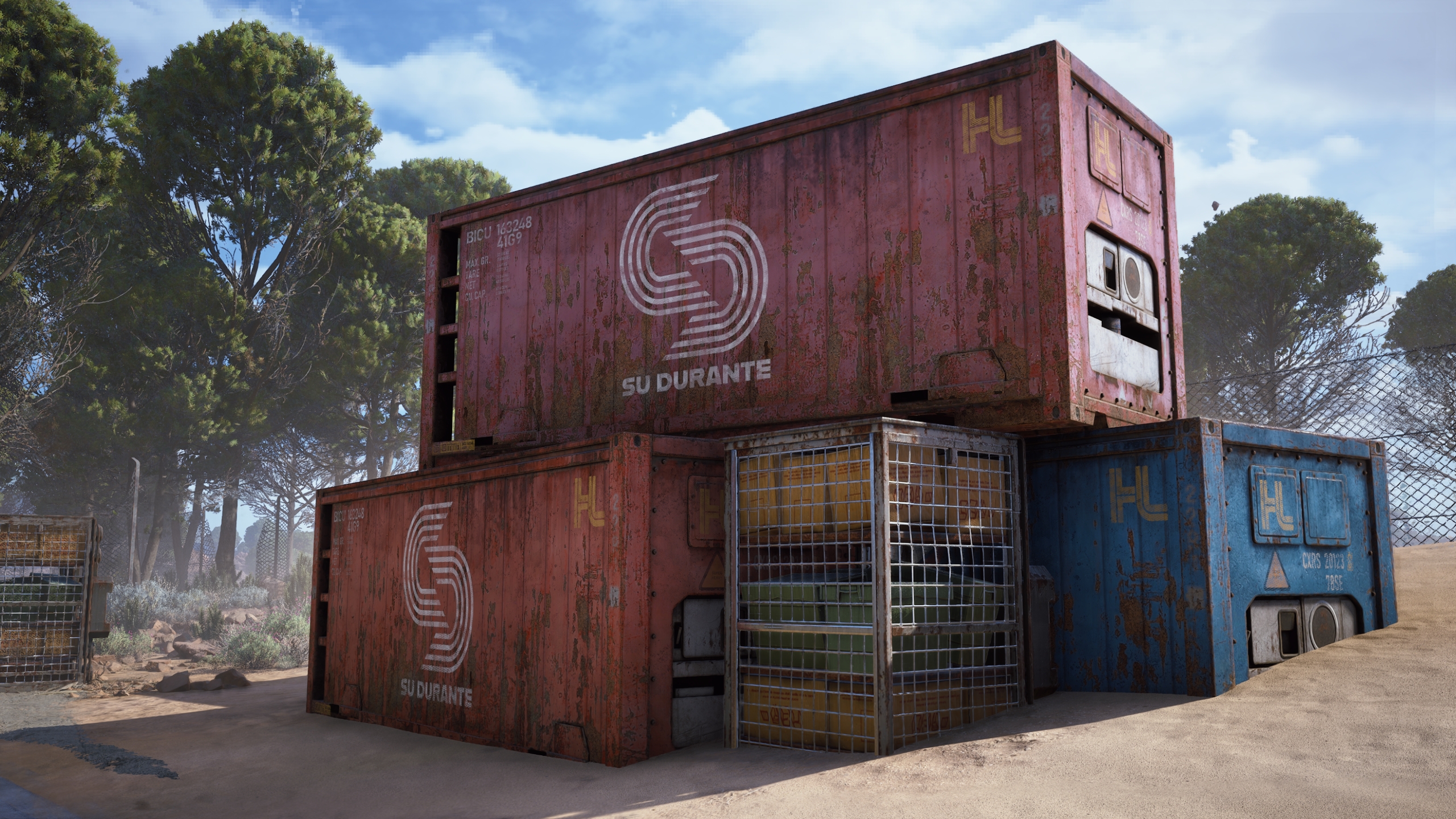
Buried City keys is one of the highest-intent topics in ARC Raiders right now—Town Hall, Hospital, Residential Master, and JKV access routes This guide covers key POIs, duo splits, and extract paths after keyed rooms for blueprint farmers in 2026, with extract discipline, workshop synergy, and mistakes that turn profitable runs into stash wipes.
Core principles before you deploy
Veterans treat Buried City keys like a ledger—triangles spent, materials returned, Scrappy timers started. Start each session by naming one workshop target tied to Buried City rare loot. If the target needs mechanical scraps, route toward ARC clusters that drop components instead of chasing PvP tags you cannot secure solo. Treat this as a living checklist—update it when patches rename POIs or rebalance ARC health pools.
In ARC Raiders, Buried City keys rewards players who treat every deploy as a budgeted decision—not a coin flip. Audio discipline matters—ARC patrol cadence telegraphs pushes before UI markers do. Hold angles with cover that faces both player lanes and machine spawns when farming Buried City keys. Share callouts with your squad; silent assumptions about Buried City keys cause more wipes than bad recoil control.
Route planning and POI priority
When traffic spikes on surface maps, Buried City keys separates quiet-profit Raiders from highlight-reel wipes. Rotate between Buried City and Spaceport when drop pools feel dry—repetition builds comfort but starves blueprint diversity. Fifteen minutes of low-risk scouting refreshes extract paths after balance passes. When in doubt, extract, bank progress, and push again with a cleaner bag plan tomorrow.
Most stalled accounts around Buried City keys are not aim problems; they are routing, stash, and extract-timing problems in Speranza prep. Set a profit threshold (coins plus key materials) and extract when you hit it unless the squad agreed on a deeper objective. Half-full successful extracts beat full bags lost to a Matriarch patrol rotate. That rhythm keeps Buried City keys compounding across a week even when individual nights feel flat.
Combat and disengage decisions
Your gunsmith tier only matters for Buried City keys if your bag plan and extract call match the threat you invited. Pair active runs with passive Scrappy returns: recycle junk in the hub before queueing again so expedition loot has somewhere to land. Skip the rhythm and Buried City keys becomes a treadmill of re-buying the same mods after preventable deaths.
Buried City keys sits at the intersection of PvPvE risk and workshop progression: push too long and you fund someone else's extract. Inventory is a throttle, not a trophy case. Sell grey items, install one mod, upgrade one station tier, then redeploy—maintenance between cycles prevents stash-lock. Treat this as a living checklist—update it when patches rename POIs or rebalance ARC health pools.
Workshop and Scrappy synergy
In ARC Raiders, Buried City keys rewards players who treat every deploy as a budgeted decision—not a coin flip. Audio discipline matters—ARC patrol cadence telegraphs pushes before UI markers do. Hold angles with cover that faces both player lanes and machine spawns when farming Buried City keys. Share callouts with your squad; silent assumptions about Buried City keys cause more wipes than bad recoil control.
Squads that verbalize Buried City keys before dropping usually extract with blueprint progress; solos who wing it recycle the same grey loot twice. Document wipes with map, loadout, and squad size. Patterns emerge: overweight bags, late rotates, or contesting extracts without utility coverage. When in doubt, extract, bank progress, and push again with a cleaner bag plan tomorrow.
Weekly session structure
Most stalled accounts around Buried City keys are not aim problems; they are routing, stash, and extract-timing problems in Speranza prep. Set a profit threshold (coins plus key materials) and extract when you hit it unless the squad agreed on a deeper objective. Half-full successful extracts beat full bags lost to a Matriarch patrol rotate. That rhythm keeps Buried City keys compounding across a week even when individual nights feel flat.
Patch cycles shift Buried City keys, but the loop stays constant: scout, commit, extract, upgrade, repeat. If you buy boost services, scope them to the missing piece—coins, blueprint unlocks, or boss clears—and verify platform parity before checkout. Skip the rhythm and Buried City keys becomes a treadmill of re-buying the same mods after preventable deaths.

Is this viable solo?
Yes with lower profit targets and earlier extracts. Solos should avoid contesting the same POIs squads stack unless your loadout is ahead of the lobby.
What if patches change loot here?
Re-scout one quiet run after each patch notes pass. POI value shifts more often than extract locations.
Should I chase PvP while learning Buried City keys?
Only if your bag is already at profit threshold. Learning fights with a full bag is how kits get donated.
How does this tie to workshop upgrades?
Name one station tier before deploying. If tonight's route does not feed that tier, pick a different map or extract earlier.
Buried City Keys checklist
- Set one workshop or blueprint target before queue
- Pick map + extract pair for tonight's goal
- Pack heals and utility even on "quick" runs
- Define profit threshold and honor early extracts
- Run stash maintenance between deploy cycles
- Log wipes with map, loadout, and squad size
In ARC Raiders, Buried City keys rewards players who treat every deploy as a budgeted decision—not a coin flip. Audio discipline matters—ARC patrol cadence telegraphs pushes before UI markers do. Hold angles with cover that faces both player lanes and machine spawns when farming Buried City keys. Skip the rhythm and Buried City keys becomes a treadmill of re-buying the same mods after preventable deaths.
Related ARC Raiders guides
- ARC Raiders materials guide
- Expeditions & Scrappy guide
- ARC Raiders weapons & loadouts
- More ARC Raiders guides
Disclaimer
Loot tables, workshop costs, map rotations, and balance patches in ARC Raiders change over time. Confirm current values in your client before committing to long grinds or third-party services.