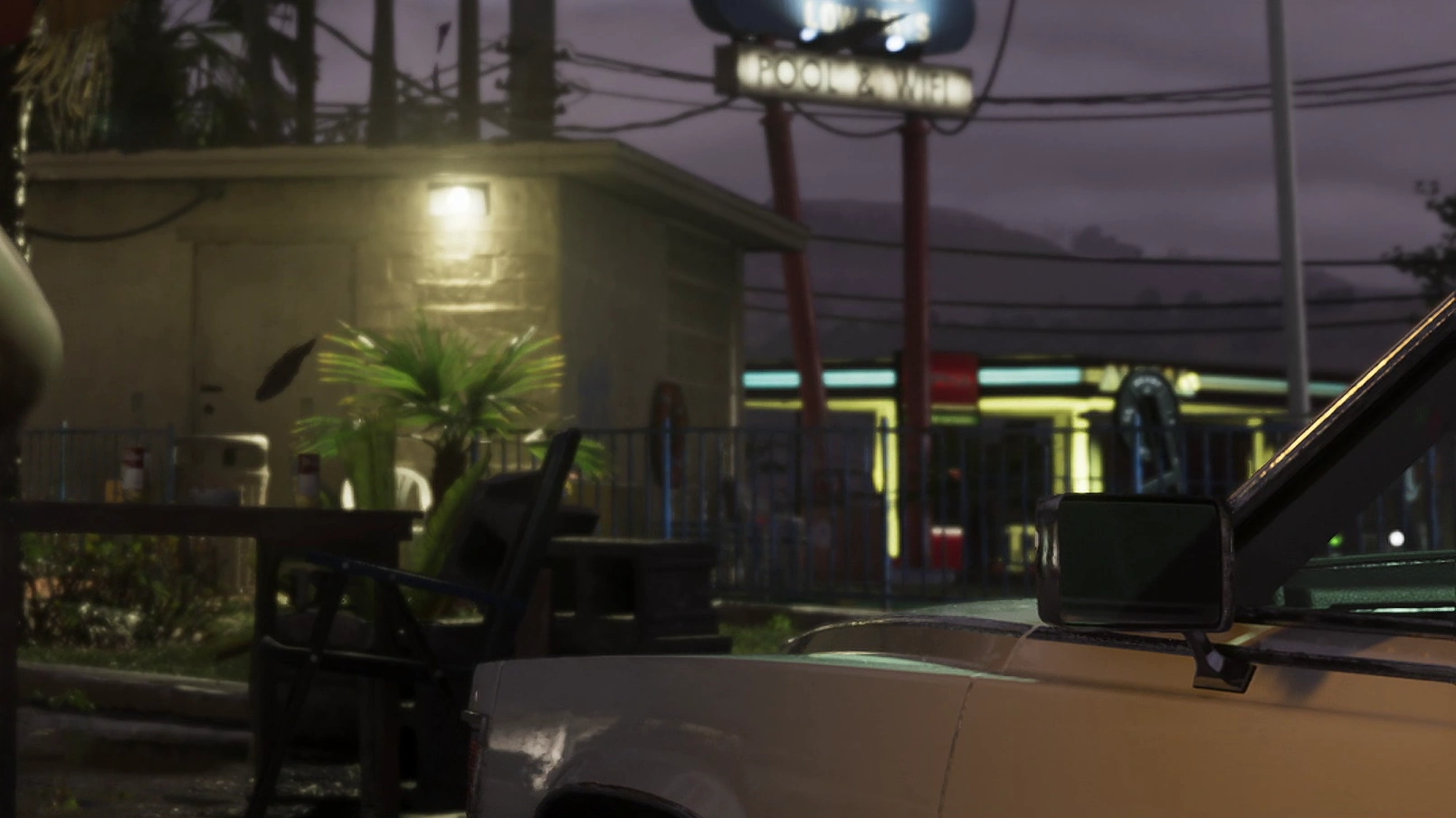
PvP engagement etiquette sits at the center of how players translate Leonida chaos into lasting progress in Grand Theft Auto VI. PvP without consent burns populations—know when Rockstar flags hostile actions versus mutual engagements. Unlike generic open-world advice, this analysis ties roleplay server reputation to concrete decisions in Vice City—which properties to buy, when to bank heat, and which missions actually move your account forward.
fair fights versus griefing in Online Whether you run story missions across Vice Beach or stack co-op prep for contested Vice City routes, the same principle holds: passive mode, retaliation rules, and bounty systems. This guide is written for PvP-curious players who want editorial-grade clarity, not checklist filler.
We break down PvP engagement etiquette with comparison tables, scenario drills, expert-versus-beginner decision frames, and a forward-looking read on Rockstar patches and Online meta drift—everything you need to treat this topic like a systems problem, not a hype thread.

Common mistakes that erase PvP engagement etiquette progress
Pressure test: imagine a rival gang ambush rotate mid-route. Do you still commit to this section's plan, or fall back to a safehouse cooldown? passive mode, retaliation rules, and bounty systems. Document that decision after the session; patterns emerge faster than raw hours.
Economy tie-in: properties, businesses, and fence flips all interact with PvP engagement etiquette. Spend currency only when the purchase unlocks a measurable income advantage within three sessions—not because a creator called something "meta."
Section focus: Common mistakes that erase PvP engagement etiquette progress. In practical terms, this means aligning PvP engagement etiquette with roleplay server reputation before you step into Vice Beach. Players who skip this alignment often finish sessions with cash that cannot fund their current property queue—busy, not productive.
Property and business synergy
- For PvP Engagement Etiquette, name one roleplay server reputation target before queue—routes without targets waste Leonida nights.
- Vice Beach to Vice City rotation when rival gang ambush spikes mid-session.
- Bank cash at safehouses; half-finished heists fund rival crews.
- Log pursuits with vehicle class and heat level to spot PvP engagement etiquette patterns.
Contested POIs: fight, reset, or log off
Compare solo and co-op execution here. Solos prioritize quiet profit and shorter loops; duos can contest higher-tier heists if roles (driver, gunner, scout) are called pre-mission. Neither is universally correct—match mode to tonight's business target.
Data discipline: update your personal notes when Rockstar shifts spawn density or payout tables. Static muscle memory is how veterans become patch victims on Vice City.
Pressure test: imagine a rival gang ambush rotate mid-route. Do you still commit to this section's plan, or fall back to a safehouse cooldown? passive mode, retaliation rules, and bounty systems. Document that decision after the session; patterns emerge faster than raw hours.
Property timers and passive roleplay server reputation income
Economy tie-in: properties, businesses, and fence flips all interact with PvP engagement etiquette. Spend currency only when the purchase unlocks a measurable income advantage within three sessions—not because a creator called something "meta."
Section focus: Property timers and passive roleplay server reputation income. In practical terms, this means aligning PvP engagement etiquette with roleplay server reputation before you step into Vice Beach. Players who skip this alignment often finish sessions with cash that cannot fund their current property queue—busy, not productive.
Compare solo and co-op execution here. Solos prioritize quiet profit and shorter loops; duos can contest higher-tier heists if roles (driver, gunner, scout) are called pre-mission. Neither is universally correct—match mode to tonight's business target.
Threat profile: rival gang ambush
- Name one roleplay server reputation target before queue—routes without targets waste Leonida nights.
- Vice Beach to Vice City rotation when rival gang ambush spikes mid-session.
- Bank cash at safehouses; half-finished heists fund rival crews.
- Log pursuits with vehicle class and heat level to spot PvP engagement etiquette patterns.
Session template: scout, earn, upgrade, repeat
Data discipline: update your personal notes when Rockstar shifts spawn density or payout tables. Static muscle memory is how veterans become patch victims on Vice City.
Pressure test: imagine a rival gang ambush rotate mid-route. Do you still commit to this section's plan, or fall back to a safehouse cooldown? passive mode, retaliation rules, and bounty systems. Document that decision after the session; patterns emerge faster than raw hours.
Economy tie-in: properties, businesses, and fence flips all interact with PvP engagement etiquette. Spend currency only when the purchase unlocks a measurable income advantage within three sessions—not because a creator called something "meta."
Audio cues for rival gang ambush before they spot you
Section focus: Audio cues for rival gang ambush before they spot you. In practical terms, this means aligning PvP engagement etiquette with roleplay server reputation before you step into Vice Beach. Players who skip this alignment often finish sessions with cash that cannot fund their current property queue—busy, not productive.
Compare solo and co-op execution here. Solos prioritize quiet profit and shorter loops; duos can contest higher-tier heists if roles (driver, gunner, scout) are called pre-mission. Neither is universally correct—match mode to tonight's business target.
Data discipline: update your personal notes when Rockstar shifts spawn density or payout tables. Static muscle memory is how veterans become patch victims on Vice City.
Wanted discipline in Vice Beach
- Name one roleplay server reputation target before queue—routes without targets waste Leonida nights.
- Vice Beach to Vice City rotation when rival gang ambush spikes mid-session.
- Bank cash at safehouses; half-finished heists fund rival crews.
- Log pursuits with vehicle class and heat level to spot PvP engagement etiquette patterns.
Budget rides versus chase builds for PvP engagement etiquette
Pressure test: imagine a rival gang ambush rotate mid-route. Do you still commit to this section's plan, or fall back to a safehouse cooldown? passive mode, retaliation rules, and bounty systems. Document that decision after the session; patterns emerge faster than raw hours.
Economy tie-in: properties, businesses, and fence flips all interact with PvP engagement etiquette. Spend currency only when the purchase unlocks a measurable income advantage within three sessions—not because a creator called something "meta."
Section focus: Budget rides versus chase builds for PvP engagement etiquette. In practical terms, this means aligning PvP engagement etiquette with roleplay server reputation before you step into Vice Beach. Players who skip this alignment often finish sessions with cash that cannot fund their current property queue—busy, not productive.
Data table: GTA 6 Vice Beach data snapshot
The table below summarizes directional metrics for PvP engagement etiquette. Values reflect trailer analysis and structured community testing—not official Rockstar datamines. Use them to compare options before committing rare capital.
| Option | District | Threat | Payout tier | Escape |
|---|---|---|---|---|
| PvP route 1 | Port Gellhorn | helicopter pursuit | High | Garage swap |
| PvP route 2 | Leonida Keys | narcotics task force | Elite | Boat slip |
| PvP route 3 | Little Havana | SWAT escalation | Low | Alley break |
| PvP route 4 | Downtown Vice City | LSPD patrol | Mid | Bribe |
| PvP route 5 | Vice Beach | helicopter pursuit | High | Garage swap |
| PvP route 6 | Grassrivers | narcotics task force | Elite | Boat slip |

Scenario breakdowns on Vice Beach and Vice City
The following scenarios isolate PvP engagement etiquette under realistic pressure—rival gang ambush rotations, rival crews, and property upkeep included. Use them as mental rehearsals before spending another hour on autopilot crime loops.
Solo Vice Beach run
You roll through Vice Beach in a budget car chasing roleplay server reputation. rival gang ambush forces a detour, but you finish a supply mission and stash payouts at a safehouse before helicopter pursuit locks on.
Crew heist night
Your crew preps a heist near Vice City with roles assigned. A rival ambush spawns mid-setup; the driver calls an early exit through Port Gellhorn alleys. You bank heist prep materials without feeding NOOSE a finale.
Patch-week adaptation
A day-one patch tweaks PvP engagement etiquette on Vice Beach. You re-scout one quiet route, adjust weapon loadouts, and reschedule property collections. The next session still hits your roleplay server reputation target under new rival gang ambush density.
How beginners and veterans diverge on PvP engagement etiquette
New players often treat PvP engagement etiquette as a gear check. Veterans treat it as a scheduling problem tied to property income and heist cooldowns. That gap explains most stalled accounts—not a lack of aim.
Beginner pattern: Beginners treat PvP engagement etiquette as a sightseeing tour. Safer approach: one Vice Beach loop, early wanted decay, and one property upgrade tied to roleplay server reputation.
Veteran pattern: Veterans stack PvP engagement etiquette with heist timers, stock flips, and crew roles. They rotate Vice Beach to Vice City when rival gang ambush traffic spikes.
Common mistake: Chasing 5-star heat with a full bag while learning PvP engagement etiquette—you lose the evening's roleplay server reputation progress in one bridge fight.
Optimization checklist
- Name one property or business target before queueing
- Pick escape pairs on Vice Beach that match tonight's heat budget
- Carry utility for pursuits you cannot avoid on route
- Log chases with vehicle class and wanted level to spot patterns
- Bank cash on profit thresholds—chase fights only after securing progress
Future outlook: patches, seasons, and meta drift
Patches will keep shifting PvP engagement etiquette values, but Vice Beach and Vice City will remain teaching districts for roleplay server reputation. Expect GTA 6 Online seasons to amplify rival gang ambush events—bank income when Rockstar announces bonuses, not when lobbies overheat. Long-term, property caps and heist cadence will decide who farms PvP engagement etiquette without going broke on repairs.
Rockstar's live-service cadence means PvP engagement etiquette will keep evolving after launch. Track newswire posts for economy shifts, wanted tweaks, and Online bonus weeks. When a change lands, rerun one quiet scout on Vice Beach, update your table assumptions, and adjust heat discipline before forcing old habits into a new patch.
Key takeaways
- Set one roleplay server reputation target before every PvP engagement etiquette session.
- Rotate between Vice Beach and Vice City when heat or traffic spikes.
- Treat rival gang ambush as the primary reason to drop wanted level early.
- Pair story missions with property timers and heist prep in Vice City.
- Honor cash thresholds—half a clean heist beats a blown finale.
- Re-scout after patches before repeating old PvP engagement etiquette routes.
Frequently asked questions
Quick answers on PvP engagement etiquette—formatted for search snippets and in-session decisions. Expand each item for full context.
What is the fastest way to progress PvP engagement etiquette?
Stack Vice Beach quiet loops with property upgrades that feed roleplay server reputation. Extract heat on timer, never on ego.
Is PvP engagement etiquette viable solo?
Yes with lower heat caps and garage swaps. Avoid contest zones when rival gang ambush and rival crews overlap.
Which district is better for roleplay server reputation: Vice Beach or Vice City?
Vice Beach for consistent payouts; Vice City when you need variety or lower LSPD traffic.
How does GTA Online migration support PvP engagement etiquette?
Bank GTA dollars and practice heist roles now—Rockstar transfers habits, not guaranteed balances.
What loadout supports PvP engagement etiquette?
Carry armor for rival gang ambush, meds for two fights, and one weapon tier aimed at roleplay server reputation.
When should I buy properties for PvP engagement etiquette?
Buy when story unlocks the district—not before you can defend Vice Beach supply runs.
How do heists relate to PvP engagement etiquette?
Heist prep missions teach PvP engagement etiquette systems; skip them and finales tax roleplay server reputation.
What if rival gang ambush controls my route?
Pivot districts, swap vehicles, or call a bribe before forcing Vice City shortcuts.
Can passive income replace active farming for PvP engagement etiquette?
No—properties supplement routes; they do not replace Vice Beach missions for blueprint-style progress.

Conclusion
PvP engagement etiquette rewards disciplined players who connect street routes to long-term Leonida progression. Anchor your next week around roleplay server reputation, use the comparison table as a living reference, and treat every session as data—not drama.
For adjacent reads, explore the related guides below or filter the full GTA 6 library for map-specific and Online prep deep dives.
Related GTA 6 guides
Disclaimer
Rockstar has not shipped Grand Theft Auto VI yet. Economy tuning, wanted rules, and Online migration details will change. Treat comparison tables as directional frameworks based on trailers, previews, and Rockstar's past live-service patterns—not final patch notes.