
Your GTA Online character quietly tracks skills like stamina, shooting strength, driving, and flying. They are not glamour systems, but they change how long you sprint between cover, how tight recoil feels, and how quickly specialty vehicles stop feeling like soap. Improve them without dedicated grind nights by folding training into income loops you already run.
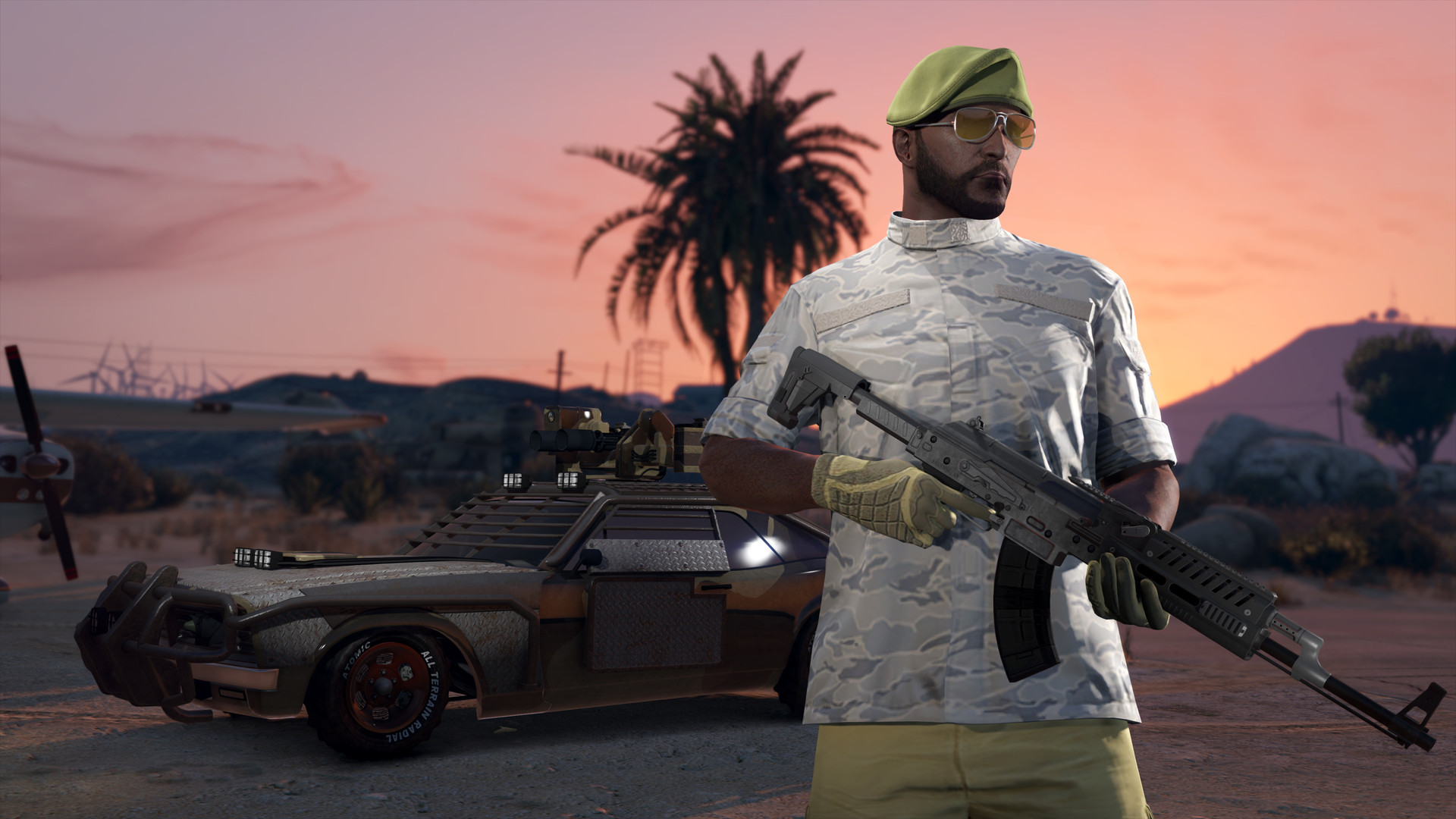
Stamina and mobility ROI
Higher stamina extends sprint windows, which speeds mission repositioning and sell prep footwork. Mix short sprints between objective waypoints instead of treating “skill training” like treadmill homework.
Shooting and driving synergy
Drive cleanly during VIP work; aim deliberately during contact missions. Skills rise when you stop treating routine jobs as mash-fests.
Flying without fear
Use forgiving aircraft in quiet sessions to learn pitch, yaw, and throttle before you haul cargo under pressure. Patience prevents expensive crash loops.
Strength and stealth (use case reality)
Melee-focused skills help niche setups more than average heist nights. Prioritize hours where payoff is obvious to your playstyle.
Let progress be ambient
Attach improvement to playlists you enjoy; pure skill sessions burn people out. Consistency beats spike training.
Track gains without spreadsheet disease
Notice qualitative wins—calmer recoil, fewer wing clips, longer sprints—without turning Los Santos into a KPI factory. The goal is competence that hides in the background until a hard mission suddenly feels fair.
Mapping skills to missions you already spam
If you run hacking-heavy jobs, shooting skill rises incidentally; if you escort convoys, driving and flying climb. Align passive training with actual income routes so two birds, one calm evening.
Strength training without fistfight fetishes
Melee skill rises from contact sports moments—missions inviting CQC or clubbing armored guards—not from harassing randos outside hospitals. Choose ethical, mission-bound practice.
Stealth missions as patience gyms
When stealth setups exist, treat them as breathing trainers: slower inputs, cleaner arcs. Rushing stealth for “speedrun clout” trains sloppiness.
Lung capacity and underwater panic
Collectibles or setups underwater reward calm breath pacing. Panic-spamming ascend kills stamina faster than steady strokes.
Flying cargo transitions
Practice landing under mild harassment in safe sessions before finale helis demand first-time perfection.
Avoiding AFK shortcuts that risk enforcement
Rubber-banding controllers or unattended macros can violate Terms of Service, annoy housemates, and erode real timing skills. If you want progression, fold training into legitimate missions you already enjoy.
Cross-stat synergy awareness
Stamina supports repositioning which supports shooting accuracy under pressure. View stats as a system, not isolated bars.
Rest days as performance multipliers
Skills consolidate on breaks. Logging seven straight panic nights degrades aim more than skipping one.
Habit stacking with real-life movement
If you play seated for hours, pair sessions with short walks afterward—blood flow helps hand steadiness more than energy drinks.
Equipment binds that match your hands
Remap sprint, crouch, and aircraft collective equivalents to consistent fingers across missions; muscle confusion slows skill integration.
Audio cues for flying skill
Engine note changes signal stall margins; learn whines before hard contracts punish ignorance.
Mindful shooting drills in low-risk survivals
Use manageable waves to practice trigger discipline when game mode allows—burst cadence becomes automatic only with repetition.
Social learning without toxic comparisons
Watch skilled friends’ replays for ideas, not self-loathing. Copy principles, not ego.
Seasonal clothing and mobility myths
Some outfits look heavy; verify whether cosmetic choice affects feel on your setup. Comfort affects focus.
Longitudinal patience: months not hours
Skills curve flatten then spike suddenly after plateaus—trust process if fundamentals repeat.
Breath pacing under suppressing fire
Notice if you hold breath while aiming; shallow breathing spikes heart rate and micro-shake. Exhale gently on trigger breaks during calm target practice so stress nights inherit steadier baselines.
Drive assists as training wheels, not crutches forever
If assists mask limits, occasionally disable them in safe cruises to feel real grip loss—know the cues before a finale strips assists you depended on mentally.
Bike lean muscle on weekend cruises
Low-consequence mountain runs train fine lean adjustments that later save sell bikes on highway merges.
Swimming stamina without collectathon burnout
Fold underwater paths into missions you already accept rather than marathon swimming laps you hate—attachment to route matters.
Landing pattern muscle for helipad gigs
Practice identical approach angles in quiet sessions until touchdown feels boring; boring becomes reliable when rockets roam.
Hand-to-hand only when missions invite it
Street brawling randos trains bad legal heat habits; keep melee reps inside structured fights.
Weightlifting fantasy vs in-game strength reality
Understand which activities actually tick strength for your build—chasing urban myths wastes evenings.
Sensitivity micro-adjustments seasonally
Seasonal desk height or controller wear changes micro aim; tweak sens slightly rather than fighting hardware drift mentally.
Recording ten-second clips for self review
Quick self footage exposes wasted sprint stamina and idle reloads better than memory alone.
Plyometric thinking: explosive sprints between cover
Burst between hard cover deliberately in survivals—teaches stop-go stamina rhythm useful in finales.
Crew skill share sessions
Rotate who teaches one trick per week—flying approach, bike slide, recoil burst. Teaching reinforces teacher mastery.
Avoiding stat obsession spirals
If you catch yourself checking bars hourly, disable UI fixation—qualitative mission ease matters more than pixels.
Transition skills: drive-to-shoot muscle
Practice exiting vehicles into ADS calmly; sloppy transitions kill more than raw aim stats.
Sleep debt honesty
One terrible sleep night erases flying gains—schedule tough aircraft nights rested.
Nutrition reality lite
Heavy sugar crashes mid-session degrade aim; boring snacks stabilize hands more than RGB gamer drinks.
Cross-training with story mode tension
Single-player set pieces sometimes drill mechanics with less financial stake—borrow that focus occasionally.
Monthly “skill audit” voice note
Sixty seconds recording what felt easier this month locks morale gains words rarely capture—helps through plateaus.
Equipment comfort audits
Worn thumb grips and slippery desks degrade aim quietly—fix hardware before blaming stats.
Altitude nausea mitigation
If flying tutoring induces queasiness, shorten sessions and favor daylight approaches until inner ear adapts.
Strength training via missions, not rooftops
Repeat ethical melee contexts the game rewards rather than inventing punch-up hobbies on civs.
Peer benchmarking kindness
Compare stats to yesterday-you, not streamers—comparison without context is depression fuel.
Related GTA 5 resources
Disclaimer
Skill progression rates and UI displays may shift—check current in-game explanations after updates.