
Mohg Lord of Blood sits at the center of how players translate session chaos into lasting progress in Elden Ring. Mohg's curse stacks in the background—use Lord of Blood's Exultation timing, not random aggression. Unlike generic advice, this analysis ties Great Rune equips to concrete decisions—what to upgrade, when to reset, and which routes actually move your account forward.
Mohg arena mechanics and bleed management Whether you run solo routes across Deeproot Depths or stack squad nights near Caelid, the same principle holds: curse buildup, NPC summons, and phase two. This guide is written for underground players who want editorial-grade clarity, not checklist filler.
We break down Mohg Lord of Blood with comparison tables, scenario drills, expert-versus-beginner decision frames, and a forward-looking read on patches and meta drift—everything you need to treat this topic like a systems problem, not a hype thread.
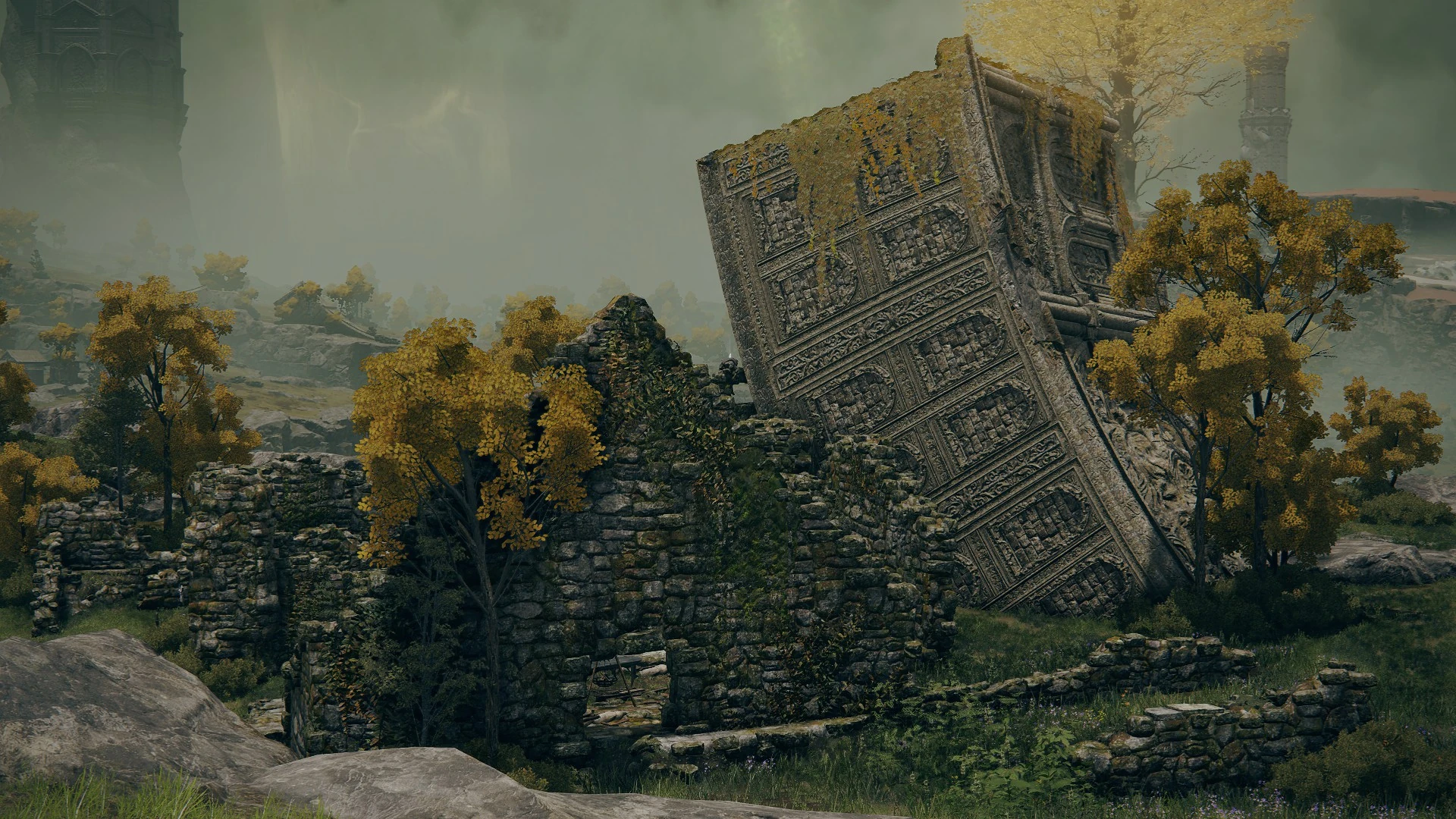
Common mistakes that erase Mohg Lord of Blood progress
Compare solo and squad execution. Solos prioritize quiet profit; squads can contest higher-tier zones if roles are called pre-session.
Data discipline: update notes when patches shift spawns or payouts. Static muscle memory is how veterans become patch victims on Caelid.
Pressure test: imagine bleed builds mid-route. Do you commit or reset early? curse buildup, NPC summons, and phase two. Log the decision after the session; patterns emerge faster than raw hours.
Synergy with Great Rune equips
- For Mohg Bleeding Counter, name one Great Rune equips target before queue—routes without targets waste sessions.
- Deeproot Depths to Caelid rotation when bleed builds spikes mid-session.
- Bank progress at safe checkpoints; half-finished loops fund rival players.
- Log outcomes with loadout and threat level to spot Mohg Lord of Blood patterns.
Budget gear versus min-maxed builds for Mohg Lord of Blood
Economy tie-in: upgrades and consumables interact with Mohg Lord of Blood. Spend only when the purchase unlocks a measurable advantage within three sessions.
Section focus: Budget gear versus min-maxed builds for Mohg Lord of Blood. Align Mohg Lord of Blood with Great Rune equips before committing to Deeproot Depths. Players who skip this alignment often finish sessions busy, not productive.
Compare solo and squad execution. Solos prioritize quiet profit; squads can contest higher-tier zones if roles are called pre-session.
Prep gates for Great Rune equips
Data discipline: update notes when patches shift spawns or payouts. Static muscle memory is how veterans become patch victims on Caelid.
Pressure test: imagine bleed builds mid-route. Do you commit or reset early? curse buildup, NPC summons, and phase two. Log the decision after the session; patterns emerge faster than raw hours.
Economy tie-in: upgrades and consumables interact with Mohg Lord of Blood. Spend only when the purchase unlocks a measurable advantage within three sessions.
Threat profile: bleed builds
- Name one Great Rune equips target before queue—routes without targets waste sessions.
- Deeproot Depths to Caelid rotation when bleed builds spikes mid-session.
- Bank progress at safe checkpoints; half-finished loops fund rival players.
- Log outcomes with loadout and threat level to spot Mohg Lord of Blood patterns.
High-risk windows on Caelid
Section focus: High-risk windows on Caelid. Align Mohg Lord of Blood with Great Rune equips before committing to Deeproot Depths. Players who skip this alignment often finish sessions busy, not productive.
Compare solo and squad execution. Solos prioritize quiet profit; squads can contest higher-tier zones if roles are called pre-session.
Data discipline: update notes when patches shift spawns or payouts. Static muscle memory is how veterans become patch victims on Caelid.
Solo thresholds when bleed builds stacks
Pressure test: imagine bleed builds mid-route. Do you commit or reset early? curse buildup, NPC summons, and phase two. Log the decision after the session; patterns emerge faster than raw hours.
Economy tie-in: upgrades and consumables interact with Mohg Lord of Blood. Spend only when the purchase unlocks a measurable advantage within three sessions.
Section focus: Solo thresholds when bleed builds stacks. Align Mohg Lord of Blood with Great Rune equips before committing to Deeproot Depths. Players who skip this alignment often finish sessions busy, not productive.
Discipline on Deeproot Depths
- Name one Great Rune equips target before queue—routes without targets waste sessions.
- Deeproot Depths to Caelid rotation when bleed builds spikes mid-session.
- Bank progress at safe checkpoints; half-finished loops fund rival players.
- Log outcomes with loadout and threat level to spot Mohg Lord of Blood patterns.
Mohg Bleeding Counter: what actually matters this patch
Compare solo and squad execution. Solos prioritize quiet profit; squads can contest higher-tier zones if roles are called pre-session.
Data discipline: update notes when patches shift spawns or payouts. Static muscle memory is how veterans become patch victims on Caelid.
Pressure test: imagine bleed builds mid-route. Do you commit or reset early? curse buildup, NPC summons, and phase two. Log the decision after the session; patterns emerge faster than raw hours.
Data table: Mohg Bleeding Counter — Deeproot Depths reference
Directional metrics for Mohg Lord of Blood—use as a living reference, not permanent gospel.
| Option | Location | Threat | Reward tier | Exit |
|---|---|---|---|---|
| Mohg route 1 | Consecrated Snowfield | Erdtree avatars | Elite | Reset |
| Mohg route 2 | Limgrave | Scarlet Rot | Low | Squad extract |
| Mohg route 3 | Liurnia of the Lakes | Crucible Knights | Mid | Fast travel |
| Mohg route 4 | Caelid | Godskin Apostles | High | Stealth exit |
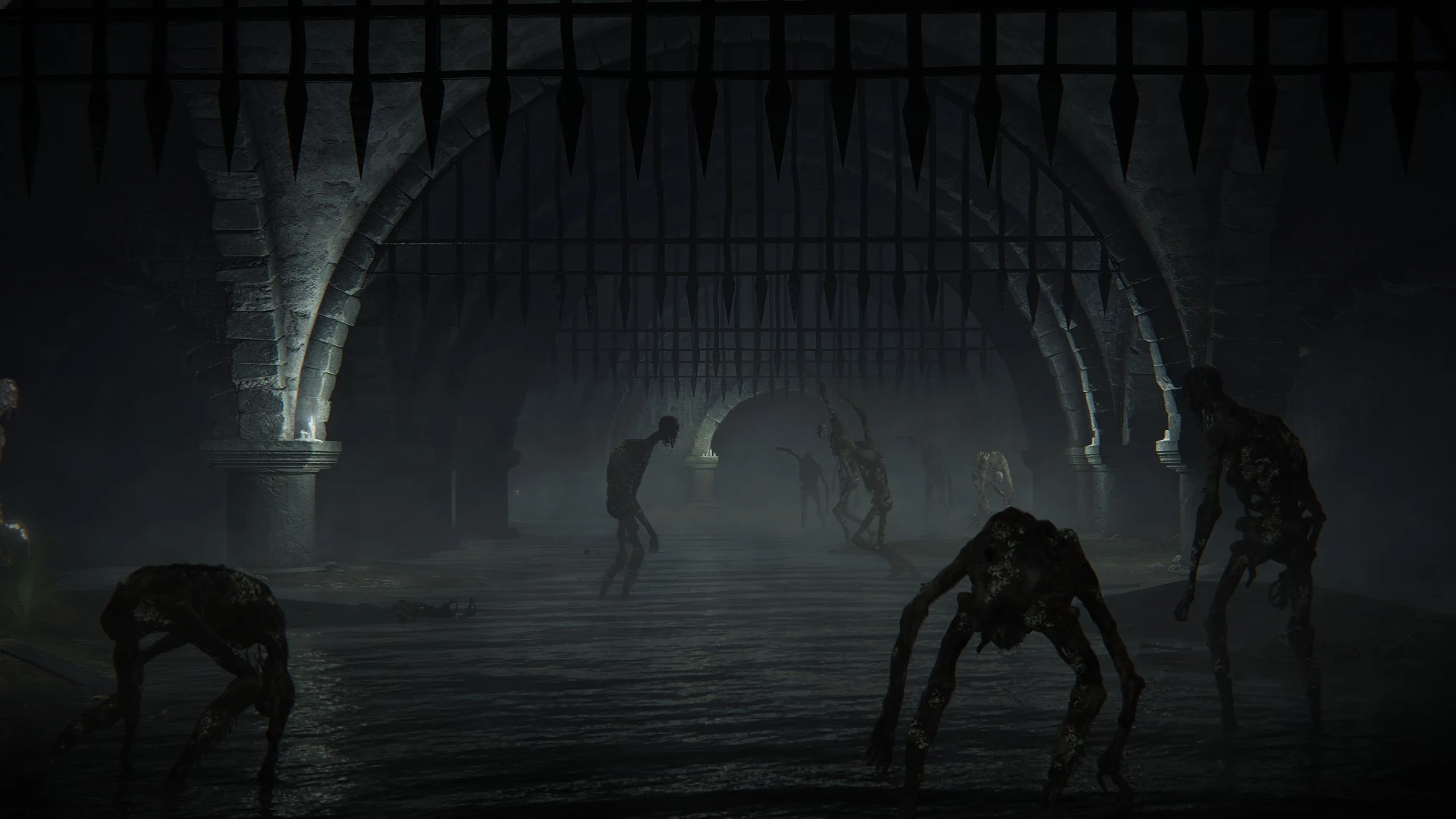
Scenario breakdowns on Deeproot Depths and Caelid
The following scenarios isolate Mohg Lord of Blood under realistic pressure—bleed builds, rivals, and resource limits included.
Solo Deeproot Depths run
You push Deeproot Depths chasing Great Rune equips. bleed builds forces a detour, but you finish a core loop and bank progress before the session overheats.
Squad night
Your group preps near Caelid with roles assigned. A rival ambush mid-route forces an early exit. You still hit Great Rune equips without feeding bleed builds a wipe.
Patch-week adaptation
A balance patch tweaks Mohg Lord of Blood on Deeproot Depths. You re-scout one quiet route, adjust loadouts, and reschedule farms. The next session still hits Great Rune equips under new bleed builds density.
How beginners and veterans diverge on Mohg Lord of Blood
New players often treat Mohg Lord of Blood as a gear check. Veterans treat it as a scheduling problem tied to Great Rune equips.
Beginner pattern: Beginners treat Mohg Lord of Blood as random grinding. Safer approach: one Deeproot Depths loop, early resets, and one upgrade tied to Great Rune equips.
Veteran pattern: Veterans stack Mohg Lord of Blood with timers, resource flips, and squad roles. They rotate Deeproot Depths to Caelid when bleed builds traffic spikes.
Common mistake: Overextending while learning Mohg Lord of Blood—you lose the evening's Great Rune equips progress in one bad fight.
Optimization checklist
- Name one Great Rune equips target before queueing
- Pick escape pairs on Deeproot Depths that match tonight's risk budget
- Carry answers for bleed builds you cannot avoid
- Log outcomes with loadout and threat level to spot patterns
- Bank progress on profit thresholds—chase fights only after securing gains
Future outlook: patches, seasons, and meta drift
Patches will keep shifting Mohg Lord of Blood values, but Deeproot Depths and Caelid remain teaching zones for Great Rune equips. Expect seasonal events to amplify bleed builds—bank progress when developers announce bonuses, not when lobbies overheat. Long-term, upgrade caps and cadence will decide who farms Mohg Lord of Blood without burning out.
Key takeaways
- Set one Great Rune equips target before every Mohg Lord of Blood session.
- Rotate between Deeproot Depths and Caelid when heat or traffic spikes.
- Treat bleed builds as the primary reason to reset early.
- Pair active loops with passive upgrades where the game allows.
- Honor profit thresholds—half a clean run beats a blown finale.
- Re-scout after patches before repeating old Mohg Lord of Blood routes.
Frequently asked questions
What is the fastest way to progress Mohg Lord of Blood?
Stack Deeproot Depths quiet loops with upgrades that feed Great Rune equips. Reset on timer, not on ego.
Is Mohg Lord of Blood viable solo?
Yes with lower risk caps. Avoid contest zones when bleed builds and rivals overlap.
Which location is better for Great Rune equips: Deeproot Depths or Caelid?
Deeproot Depths for consistency; Caelid when you need variety or lower traffic.
What loadout supports Mohg Lord of Blood?
Carry answers for bleed builds, sustain for two fights, and one tier aimed at Great Rune equips.
When should I invest in upgrades for Mohg Lord of Blood?
Invest when you can defend Deeproot Depths routes—not before you can finish one clean loop.
What if bleed builds controls my route?
Pivot locations, swap loadouts, or reset before forcing Caelid shortcuts.
Can passive income replace active farming for Mohg Lord of Blood?
Rarely—passive systems supplement routes; they do not replace Deeproot Depths loops for core progress.
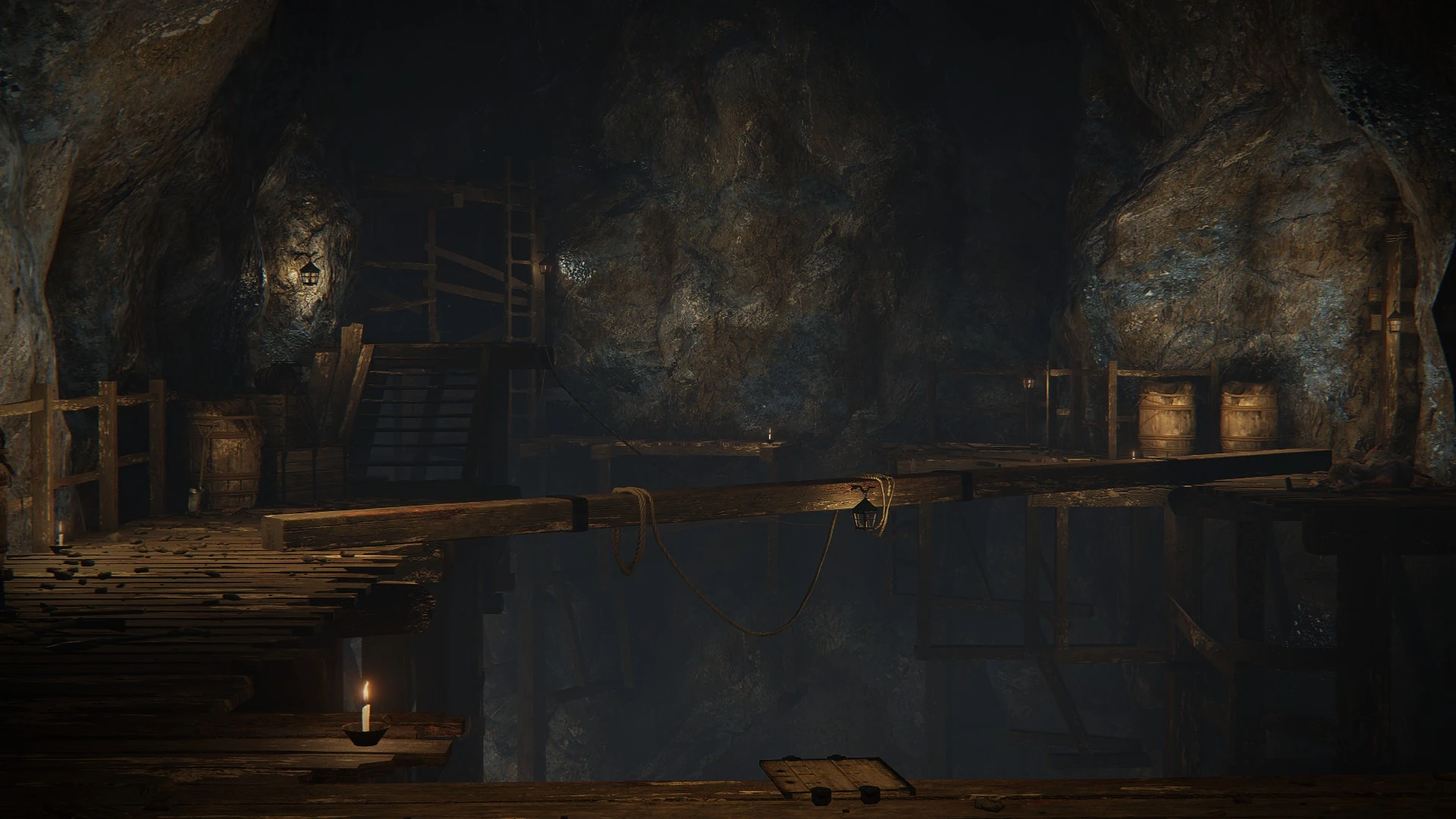
Conclusion
Mohg Lord of Blood rewards disciplined players who connect routes to long-term progression. Anchor your next week around Great Rune equips and treat every session as data—not drama.
Filter the full Elden Ring library for more deep dives.
Related Elden Ring guides
Disclaimer
FromSoftware patches weapon scaling, ash of war values, and boss patterns across major updates and DLC. Build guides and farm routes should be checked against your current patch level.