
Vehicle-focused businesses in GTA Online sit at the intersection of driving skill and spreadsheet discipline. Whether you are sourcing inventory for a warehouse loop or learning delivery patterns by muscle memory, the skill that pays is predictability: fewer crashes, fewer police escalations, and sell missions that end with “delivered” instead of “rocket.”

Sourcing is a driving exam
Every acquisition run teaches the same lesson: aggression costs time. Learn police shed routes, tunnels, and elevator jumps that work on your platform—not clip-chasing shortcuts that fail half the time. Smooth sourcing compounds into calmer sells.
Warehouse rhythm: little and often
Letting stock balloon without a sell plan guarantees stress. Maintain a target capacity you can defend mentally: know which sell variants you have seen before and which vehicles you keep on call for awkward maps.
Repair and cosmetic damage
Small dents rarely matter mechanically, but know what does matter for your current mission type. If delivery UI tracks damage tiers, learn thresholds before you gamble on a cross-map shortcut.
When public sells scare you
Evaluate session density before launching fragile delivery chains. Sometimes the “optimal” bonus is a trap if jets orbit the depot. Choose calm completion over optimal-on-paper risk if your goal is steady money.
Upgrades as insurance premiums
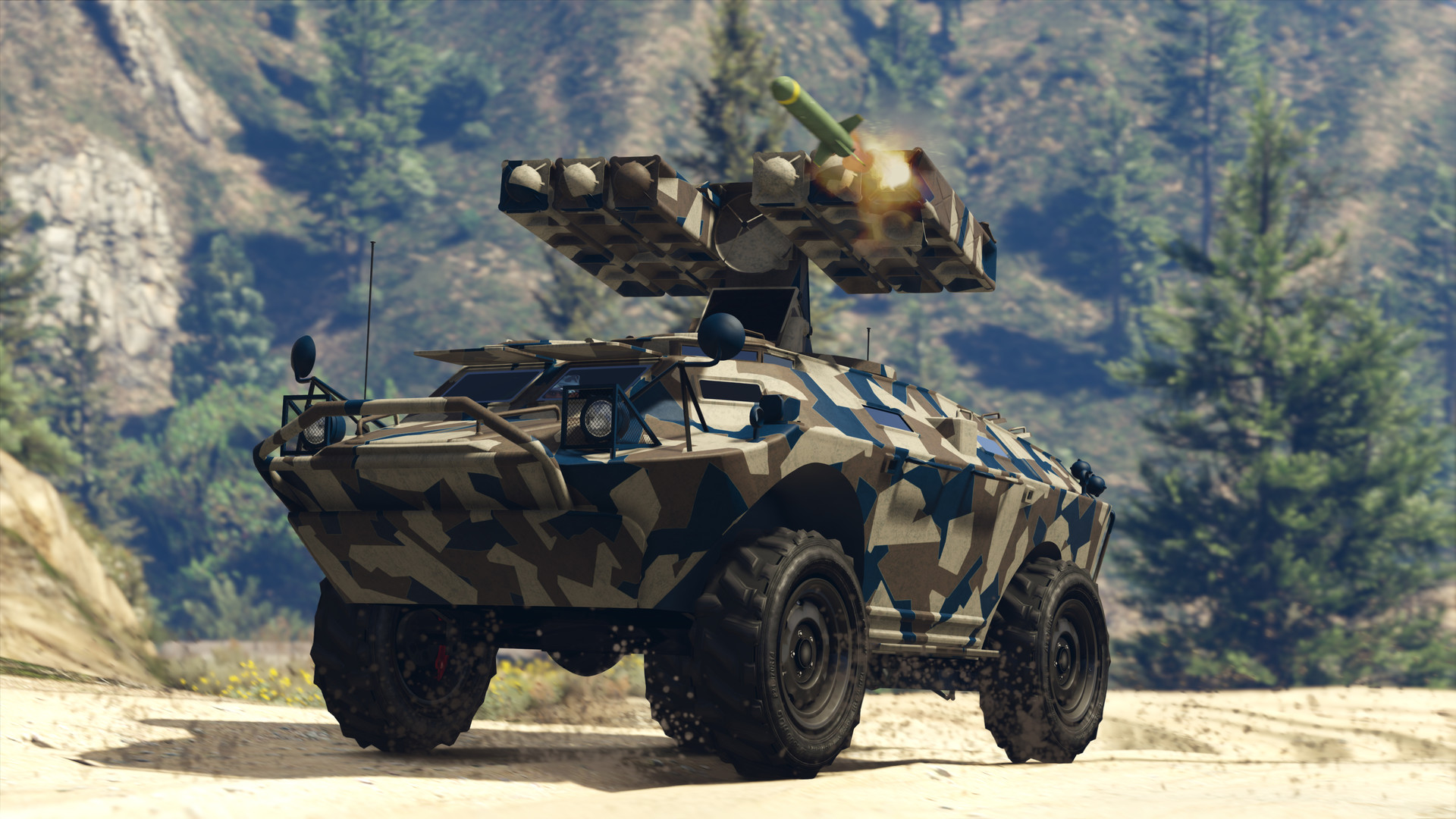
Faster acquisition tools, defensive helpers the game offers for certain assets, and sensible garage placement all behave like insurance—you pay up front to avoid catastrophic session loss later. Buy once you commit to the loop weekly.
Pair with broader income
Rarely should vehicles be your only line item. Run warehouse work between cooldowns on heists or VIP tasks so dead time still earns.
Insurance, impounds, and stupid tax
Personal vehicles and mission cars behave differently depending on context. Learn which calls get a car back fastest on your platform and keep a “beater” ride configured for sourcing so you are not paying five-figure deductibles because you parked a hypercar under a Buzzard. Small discipline here preserves hourly rate.
Heat management while hauling “hot” inventory
Stars accumulate faster when you panic-stop in intersections or clip cruisers during shortcuts. Smooth inputs starve the algorithms of excuses to escalate. Sometimes parking in a pay-n-spray-adjacent lot patiently beats shaving six seconds with a sidewalk sprint that triggers a tire-melting chase.
NPC traffic psychology and sell windows
Rush-hour AI is not malicious—just dense. Stack sells when your brain has patience for lane weaving, or switch to calmer session types if one more honk will make you steer into a hydrant. Emotional capacity is a mission requirement too.
Crew roles on multi-drop deliveries
When deliveries spawn multiple vehicles, assign lead and sweep riders before engines start. Rotate who takes the awkward drop next time—the fairness prevents mutiny and trains everyone on bad maps.
Camera settings that reduce motion sickness
If chase cams induce nausea during tight delivery vans, adjust follow distance or FoV options when available. Physical comfort keeps you accurate longer than cinematic angles.
When to eat the “small” sell
Partial sells that guarantee completion sometimes beat greedy full-warehouse pushes before bed. Sleep beats a hypothetical max payout you never finish.
Pairing vehicle loops with agency or facility arcs
If your broader arc includes on-call heist prep, synchronize warehouse check-ins between setup steps so travel overlaps. Overlapping routes converts dead miles into paid miles.
Telemetry without spreadsheets
Notice trends: “Tuesday sells troll me; Thursday runs clean.” Personal pattern recognition beats copying influencer schedules that assume different time zones and lobby cultures.
Night sells vs day sells: visibility tradeoffs
Lighting changes depth perception for high-speed merges and helicopter silhouettes. If your eyes fatigue at midnight, run daylight sells when precision matters—even if payout math pretends time is irrelevant. Performance is pragmatic, not macho.
Backup personal vehicles staged near industrial exits
Park a resilient spare near warehouses you frequent—something you can ram a barrier with and still limp a delivery. “Fashion garage” hypercars hate curbs; mission spares forgive them.
Audio cues during police escalation
Learn spinner cadence and siren proximity so you glance minimap less during tense drives. Ears extend awareness when eyes must stay forward.
Teaching friends vehicle discipline without backseating
Offer one correction per run—route choice or braking point—not both simultaneously. Humans digest feedback sequentially.
Long-haul hydration and hand fatigue (yes, really)
Marathon sell nights degrade reaction time before bank balance does. Water, breaks, and stretching silly as it sounds preserve micro-corrections that prevent costly bumps.
Stock caps tied to real life, not ego
Warehouses invite “one more source” compulsion right before bed. Tie your personal cap to how many sell variants you can tolerate when exhausted. Oversized inventory converts chill nights into panicked marathons; undersized inventory wastes bonus weeks. Revisit the cap when work, school, or travel changes—progression should respect your calendar, not shame it.
Escort spacing rehearsal
When friends protect deliveries, agree whether they fly overwatch, run interference, or simply convoy. Each style needs different following distance—too tight and explosions chain; too loose and opportunists still pick you off. Practice once in throwaway rides so laughter happens before bank rides.
Workhorse vehicles beat garage trophies mid-job
Notice which personal vehicles missions allow and keep dent-friendly bikes or SUVs on call. Babying a hypercar across rail crossings often loses time versus driving something you can bounce off curbs without emotional damage.
RNG traffic and composure tax
NPCs occasionally behave like chaos gremlins. Budget emotional slack: fury-steering after one bad merge usually causes the second crash. When variance spikes, favor wide arterials over cinematic alleys—completion beats clip-chasing lines when cargo matters.
Insurance literacy and deductible psychology
Learn what actually bills your account on your platform after collisions during sourcing. Surprise fees tilt players into sloppy revenge driving; predictability keeps decisions cold.
Sell playlist pairing with passive timers
Queue vehicle sales when passive businesses tick so dead air becomes funded air—layered income respects your hour more than monomaniacal car grind.
Related GTA 5 resources
Disclaimer
Business names, maps, and sell mission pools update. Verify live requirements before buying properties tied to this playstyle.