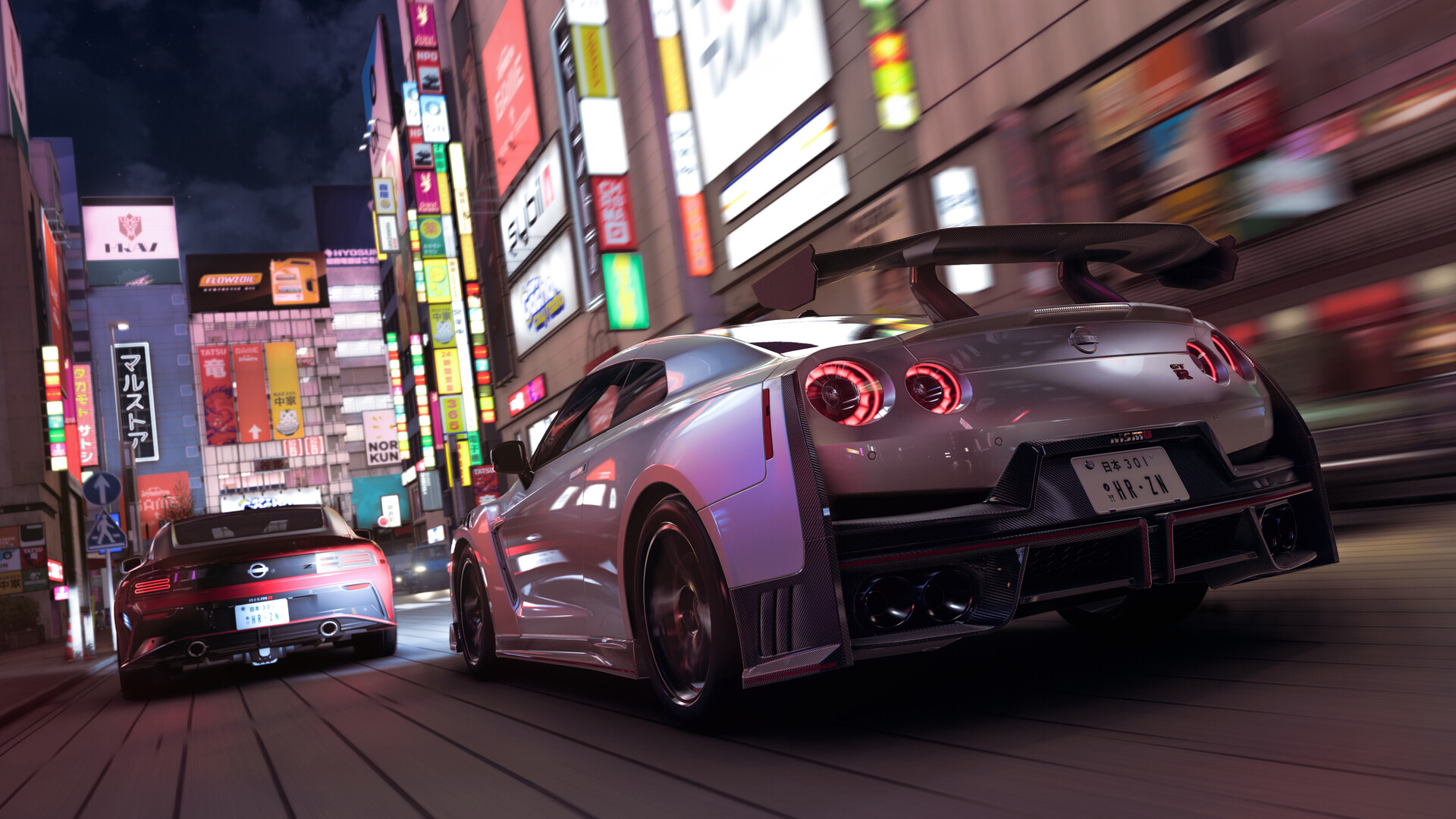
If you are researching Forza Horizon 6 tuning, you are probably chasing one of three outcomes: cleaner lap times in Rivals, more stable online races, or simply fewer “why is my car fighting me?” moments. Tuning is less about mystical secrets and more about sequencing: the order you apply upgrades and the order you touch sliders determines whether your build gains real speed or just a bigger number on paper. This guide walks through PI classes, practical upgrade paths, and expandable deep-dives for common pain points players search after patches.
Performance Index (PI) without the confusion
PI is Horizon’s shorthand for overall competitiveness: power, grip, weight, tire compound, aero, and more roll up into one value used to bracket cars into classes. Events frequently enforce a maximum PI—break the ceiling and you are in the wrong lobby. Always confirm the requirement before you finalize gearing and power adders. Think of PI as a budget: every choice spends budget; the skill is spending it where your driving style actually benefits.
Upgrade order that survives scrutiny
Most competitive players converge on a similar skeleton: prioritize mechanical grip and braking before chasing top speed. Tires widen the window where your inputs work; brakes shrink panic moments; drivetrain and differential tuning shapes how power reaches the ground. Aero is powerful but situational—some routes reward minimal drag, others reward sticking the nose in high-speed sweepers. If you bolt power first, you often mask understeer with throttle and learn bad habits that break the moment a Rivals ghost punishes you.
Springs, ride height, and hitting curbs
Stiff springs feel “sharp” in a parking-lot test but can skate over curbs in race conditions. If your replay shows bouncing or one-wheel lift through fast complexes, soften springs slightly or adjust damping rather than adding camber randomly. Small incremental changes beat ten-slider overhauls.
Alignment: camber, toe, and why less is often more
Negative camber can help rotation, but excessive static camber burns the inside shoulder under straight-line braking. Toe changes sharpen turn-in at the cost of tire wear and stability. Adjust one axis at a time and retest the same sector rather than changing three values between laps.
Gearing: when a shorter final drive helps (and when it hurts)
Short gearing improves punch out of slow corners but can leave you bouncing off the limiter on long straights—deadly in Speed Trap PRs or highway routes. Always check top gear against the circuit’s longest straight in test mode or Rivals entries before locking a tune.

Tires, compound choices, and “grip theater”
Wider tires and stickier compounds show up as easy wins in the upgrade shop, but they also move PI quickly. Ask whether you need absolute peak grip or balanced progression within your class cap. Sometimes the winning move for a beginner tuner is a conservative compound with better brake modulation—not the most expensive rubber that spikes PI and shortens your upgrade room elsewhere.
Differential tuning in plain language
Differential settings influence how eagerly the car accepts throttle mid-corner. Too aggressive and you rotate instantly—then snap spin. Too conservative and the car understeers eternally. If you are new to diffs, adjust in tiny steps and log how the car exits the slowest corner on your reference route. Good tuning notes beat memory: write the numbers that worked.
Rivals workflow: how to learn from ghosts without copy-pasting blind
Download a ghost slightly faster than you—not ten seconds faster—and study braking markers: fence posts, signs, tree pairs. Clone the first sector until your consistency matches, then expand to sector two. Tuning changes should chase repeatable mistakes, not leaderboard fantasies. If you fix exit oversteer by softening rear aero or diff, retest the same sector before moving on.
Testing protocol: one variable per session
Random multi-slider edits waste evenings. Follow a boring protocol: pick one change (rear aero, spring bump, brake bias shift), run ten identical laps on the same route, average mentally, then keep or revert. Write notes in your phone—“+1° rear wing, less exit snap on Turn 4”—instead of trusting memory after midnight. This is how working engineers tune simulators; Horizon rewards the same patience.
Weather, temperature, and surface notes in your journal
A dry baseline tune may understeer in rain or over-rotate on patchy curbs. If you frequently race seasonal weather, duplicate your tune file conceptually: keep a “dry baseline” and a “wet compromise” instead of constantly overwriting both. Even two saved snapshots reduce frustration when objectives rotate fast.
When to stop tuning and start driving
Diminishing returns arrive when lap variance stems from line inconsistency, not setup gaps. If identical mistakes repeat regardless of small changes, the car is no longer the bottleneck—you are. Park the garage for an hour of ghost study; resume tuning afterward with clearer questions.
Brake bias, tire pressure, and the myth of “one perfect setup”
Brake bias shifts load between axles during deceleration; a nudge forward can stabilize turn-in, while a nudge rearward can reduce front-lock habits on straight-line braking. Move in tiny steps and journal results—big jumps erase traceability. If the interface exposes tire pressure adjustments, treat them as fine polish for heat cycles and edge grip, not a substitute for line fixes. Accept that a tune adored on a short circuit may feel vague on endurance highway routes; duplicate loadouts per scenario instead of chasing an imaginary universal unicorn file that does not exist.

Related Forza Horizon 6 guides
Disclaimer
Balance patches and meta shifts happen. Re-test tunes after updates; numbers that felt perfect yesterday may need revised aero or gearing tomorrow.