Players searching FH6 drift tune, drift zones, or how to drift Forza Horizon 6 usually want one of two things: stylish slides for content, or fast seasonal stars with minimal restarts. Drifting in Horizon has forgiving physics compared with hardcore sims, but the skill is still intentional weight transfer: knowing when to initiate, when to breathe the throttle, and when to bail before a multiplier evaporates. This guide explains tuning priorities, line theory for drift zones, step-by-step drills (in expandable sections), and mental framing so practice actually compounds.
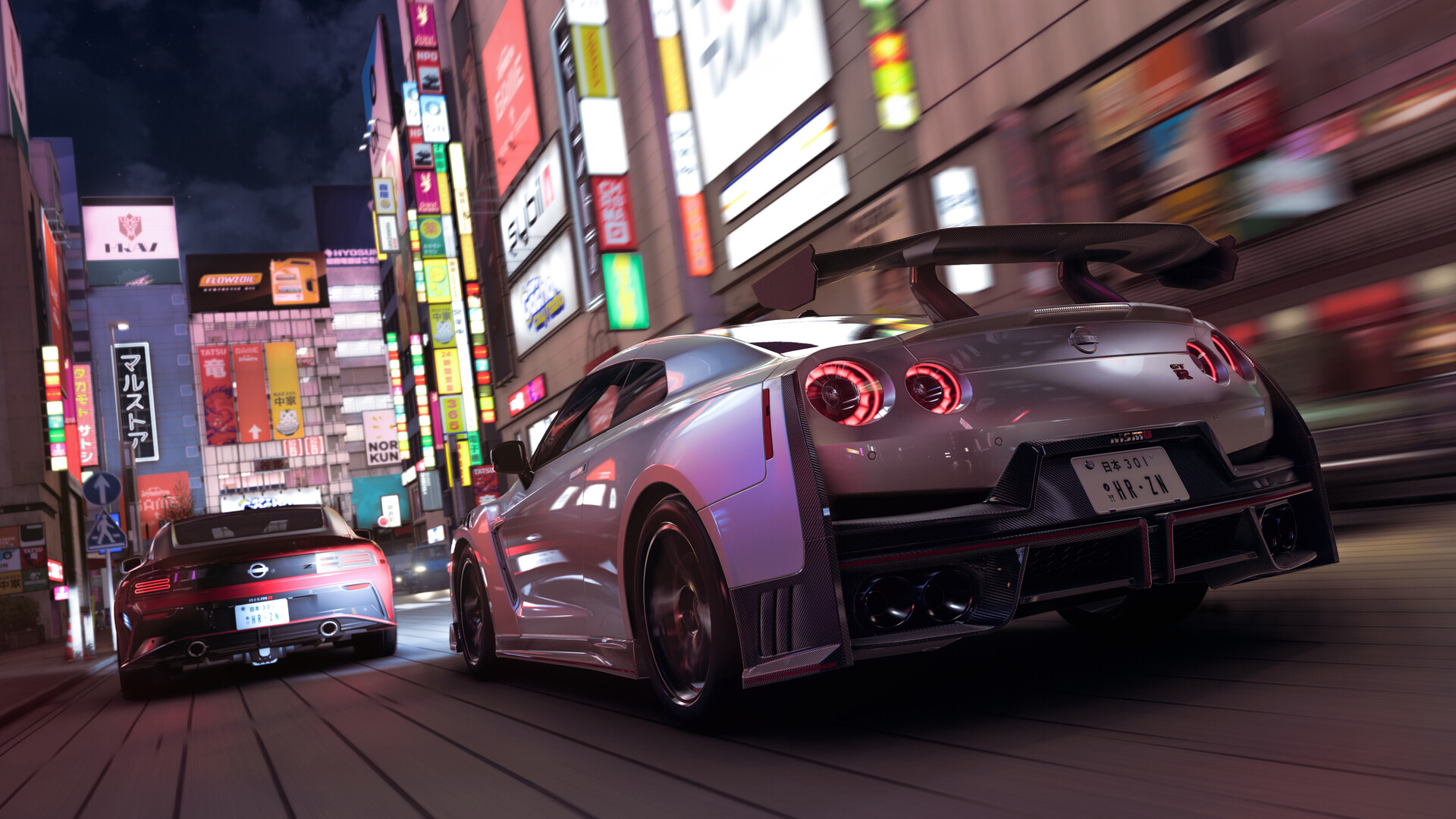
Gearbox philosophy: manual vs automatic in drift contexts
Manual shifting gives explicit control over gear hold points—useful when you want predictable torque. Automatic can work if you tune diff and tires thoughtfully and focus on line. Pick the input method that keeps your attempts consistent; drifting improves from repetition, not from constantly swapping schemes between sessions.
Tuning priorities that change the day-one feel
Rear grip balance, differential behavior, and spring rates shape how willingly the car rotates. If initiation feels impossible, you may lack rear slip support; if the car swaps ends instantly, you may have too much trailing throttle or an overly tail-happy diff. Move sliders in small steps and retest the same corner—big changes hide which variable actually helped.
Initiating slides without panic inputs
Use smooth steering entries with a deliberate weight shift rather than yanking and counter-stabbing. Think “draw a circle” with your hands, not “saw a log.” If you spin, slow initiation until the car settles into a predictable slip angle.
Linking corners for higher multipliers
Drift zones reward chaining geography, not isolated hero drifts. Plan the run-up so you carry modest angle between transitions. If a fence or traffic pinch ends your chain, scout alternate arcs before grinding score.
Matching practice builds to seasonal requirements
When a chapter mandates a manufacturer or class, build once for that constraint rather than forcing a meta tune that fails eligibility. Seasonal friction is usually cheaper to respect than fighting mismatched cars.
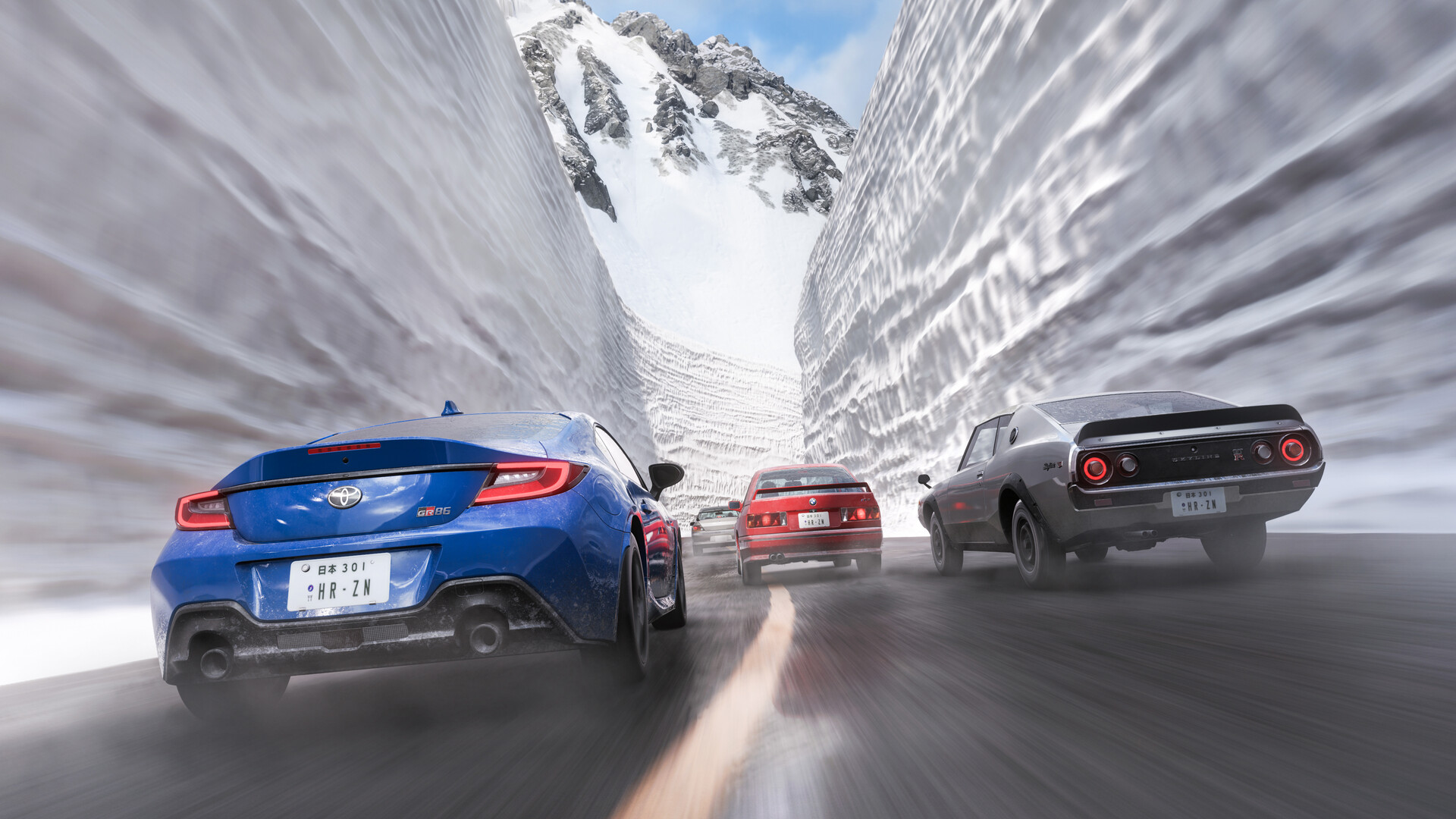
Surface and weather honesty
Wet asphalt, dirt transitions, and painted curbs alter breakaway points. If your tune felt perfect in dry day conditions and collapses in rain, that is not “bad luck”—it is physics. Either accept assist help temporarily or soften rear spring rates slightly for wet sessions. Drift culture loves smoke, but Horizon rewards knowing when to prioritize control over vanity.
Skill chains and collateral collisions
Practice modes still punish taps on civilian traffic and unbreakable props. If your skill song progression depends on chains, pick routes with breathing room. One impatient shortcut can zero a chain and tilt your session—plan spacing consciously.
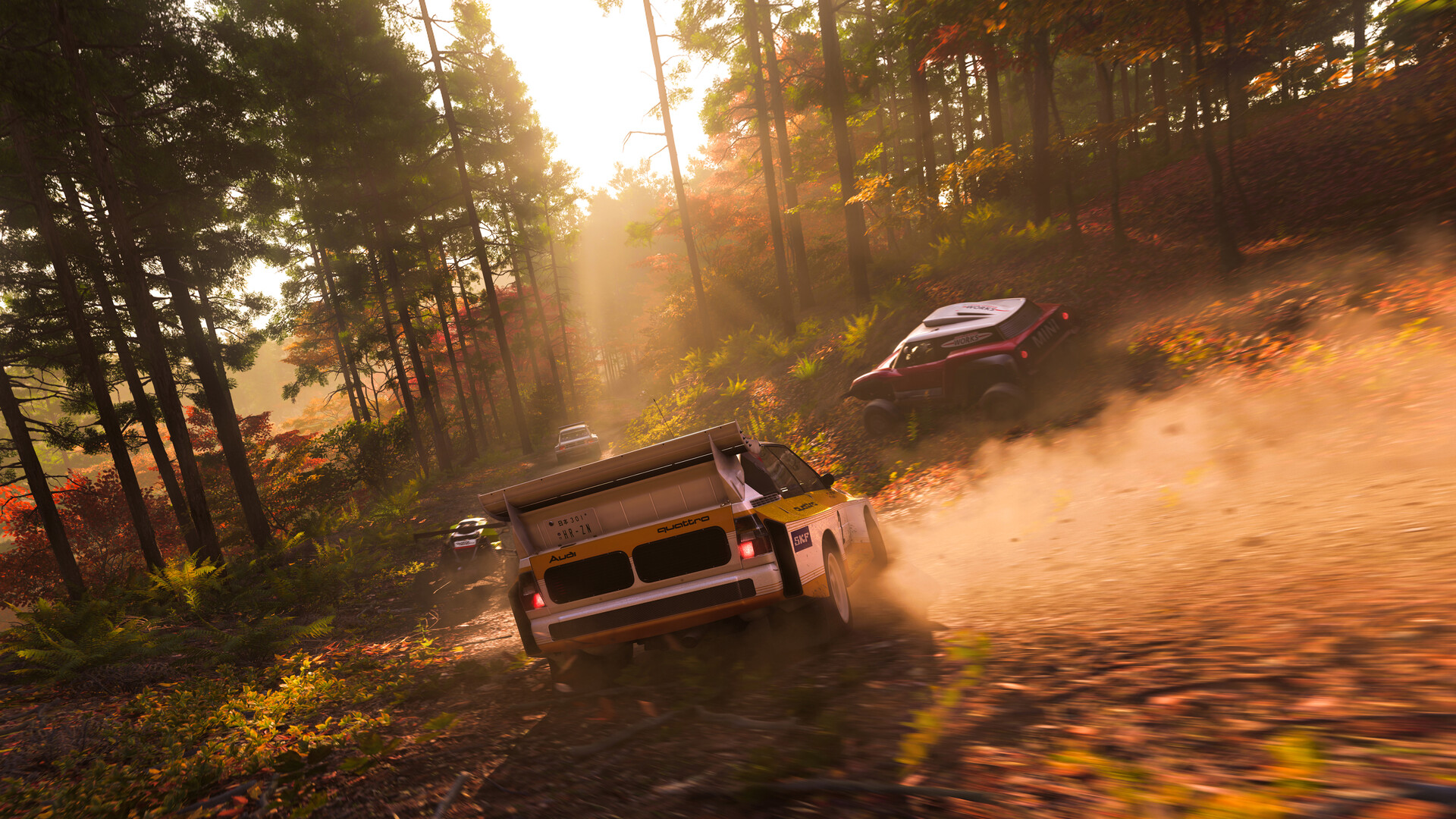
Vehicle weight transfer vocabulary for drifters
Think in load: braking shifts load forward, throttle shifts load rearward. Initiations often start by unloading the rear briefly so the tire slips predictably. If vocabulary feels abstract, watch slow-motion replays of your steering wheel and lateral G: smooth inputs show smooth load migration; jerky inputs show chaotic spikes that snap the rear around.
Filming drift lines for self-coaching
Capture short clips—not for clout, for review. A ten-second clip from a chase cam reveals whether you add steering too early or chase countersteer out of fear. Compare two attempts side by side; incremental fixes surface faster than grinding blind.
Integrating drift practice with legitimate race pace
Drift muscle can improve car control in rain or recovery moments, but do not train exclusively sideways if you want Rivals pace. Balance sessions: sixty percent clean laps, forty percent controlled slip drills. That ratio preserves progression without siloing skills.
Snap oversteer vs. progressive rotation
Snap exits often trace to abrupt throttle lifts mid-drift; progressive rotation traces to measured throttle ramps. Film yourself: if you catch yourself sawing at the wheel, smooth your inputs before you touch differential settings again.
Recovering after a bad initiation
Bail early rather than holding doomed angle—resetting the multiplier cleanly sometimes beats saving a dying line that wastes thirty seconds of smoke with no score gain.
Route memory and environmental cues for repeatability
Choose drift zones with landmarks you can verbalize: “initiate past the red kiosk,” “transition before the guardrail kink.” Abstract geography creates abstract results. Drift hobbyists who plateau often fixate on car settings while ignoring reference points; upgrade your brain map before upgrading virtual tires again.

Mentorship: teaching friends without fostering bad crutches
When coaching, demonstrate a slow-motion initiation once, then let them replicate unassisted. Constant mid-run instructions overload working memory. Praise specific behaviors—“smooth countersteer on that exit”—instead of vague hype. Good mentorship shortens their plateau; over-coaching extends it.
Logging seasonal drift thresholds for personal science
Write your three-star targets after each patch cycle; drift numbers drift. Building a personal spreadsheet sounds nerdy until it saves an hour of outdated assumptions. Pair numbers with car names so you know which tunes were legitimate contributors versus lucky one-offs.
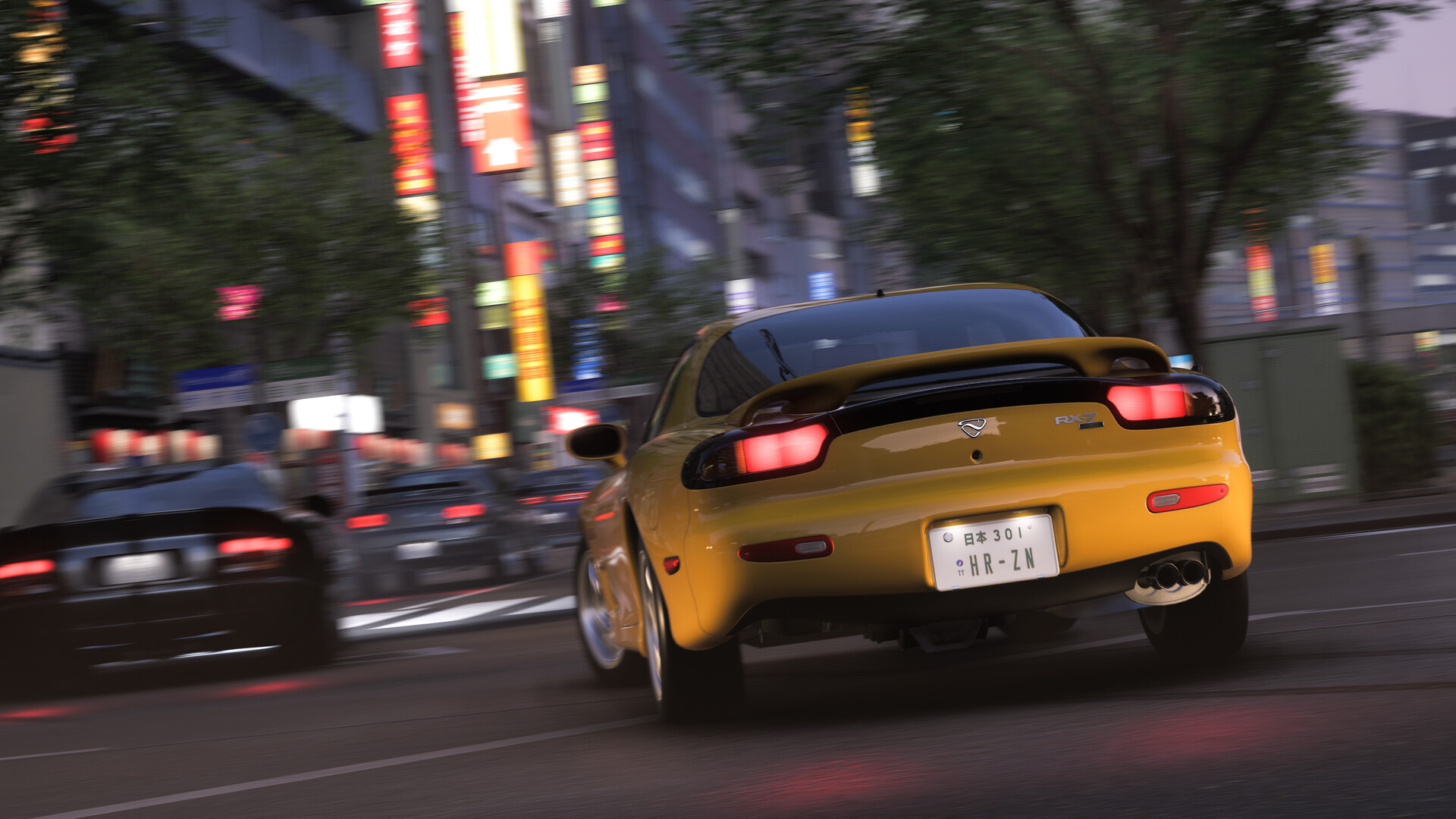
Competitive integrity reminders
Exploits and macro-assisted steering undermine both leaderboard trust and your own improvement arc. If a technique feels like it will get patched, assume it will—build fundamentals that survive updates. Integrity preserves the joy of legitimate breakthrough moments.
Community drift events and constructive feedback
Joining player-run drift meetups exposes you to diverse styles; receive critiques as data, not personality attacks. Offer feedback with timestamps—“at 0:32 your init was rushed”—so recipients can scrub replays precisely.
Closing encouragement
Progress graphs for drifting are rarely linear; plateaus mean your brain is integrating finer inputs. Celebrate micro gains—cleaner exits, calmer hands—even when scores stall temporarily.
Related Forza Horizon 6 guides
Disclaimer
Drift scoring thresholds and zone layouts can change; confirm three-star targets in-game before marathon attempts.