
Phantom Blade Zero is soulslike-adjacent rather than a true soulslike: it borrows the genre's demanding, read-and-react boss fights, checkpoint rest points and stamina-style resource management, but drops most of its punishing rules. You lose nothing when you die, defeated enemies never respawn, an easy mode exists and difficulty can be changed at any time, and the PlayStation Blog's launch feature describes the game as a blend of soulslike bosses, hack-and-slash combos and RPG storytelling. If you love Sekiro-style duels you will feel at home; if you bounced off soulslikes because of corpse runs, this is a much friendlier take.
We checked this against Soulframe Liang's 2023 PlayStation Blog introduction, the PlayStation Blog's launch-week combat feature, MP1st's report on Liang's 4Gamer interview, PowerPyx's trophy roadmap, Game8's soulslike and difficulty pages, Rock Paper Shotgun's 2024 hands-on, TechRadar's early difficulty report and OpenCritic's review roundup in November 2026.
What S-GAME Says It Is
The studio has been surprisingly direct about this. In the 2023 PlayStation Blog post that introduced the game, Soulframe Liang said the team are huge fans of hack-and-slash games like Devil May Cry and Ninja Gaiden, and described soulslikes and Monster Hunter as strategic action games that slow things down to give players time to think. That approach, he wrote, does not convey the kind of action fest S-GAME had in mind: the sleek, breathtaking moves of 1990s kung fu cinema.

The launch-week PlayStation Blog feature frames the finished game as a mix. It draws on the tough, powerful bosses of soulslikes, the quick, combo-focused combat of hack-and-slash games, the stories and characters of RPGs, and the unlockable exploration of search action games, and it says that while the combat evokes Sekiro: Shadows Die Twice and Bloodborne, it takes a more hybrid approach rooted in wuxia stories and kung fu films. Liang has floated his own label too, suggesting in an interview quoted by Wikipedia that the game might define a new identity he called wuxia action games.
What It Borrows From Soulslikes
The family resemblance is real, and it shows up in five places:
- Checkpoint rest points. Bells are where you rest, upgrade and fast travel, and PowerPyx compares them directly to the campfires of soulslike games.
- Boss-centric design. Rock Paper Shotgun counts 61 bosses, and Game8 notes that many do not follow a set attack pattern, so learning their tells is the core skill.
- Perfect dodges and parries. Game8 names perfect dodging and parrying as soulslike mechanics the game shares, with red-flash attacks that must be dodged and blue-flash attacks that reward a parry.
- A resource that punishes turtling. Blocking drains your Sha-Chi meter, and if it runs out you can be staggered and left open, a role similar to the stamina and posture systems of the genre.
- Sekiro-style progression. Game8 compares the way you raise health and attack, by finding specific collectibles rather than leveling stats, to Sekiro's prayer beads.
What It Deliberately Leaves Out
Now the differences, some of which surprised even early hands-on previewers. PowerPyx's roadmap states plainly that you do not lose anything when you die, so there is no dropped currency to recover and no corpse run. Defeated enemies never respawn either; Liang told 4Gamer, as reported by MP1st, that the team wants everything in the game to be valuable. Rock Paper Shotgun noticed the same thing in its 2024 hands-on, admitting it had to rethink the assumption that enemies would return when it died.
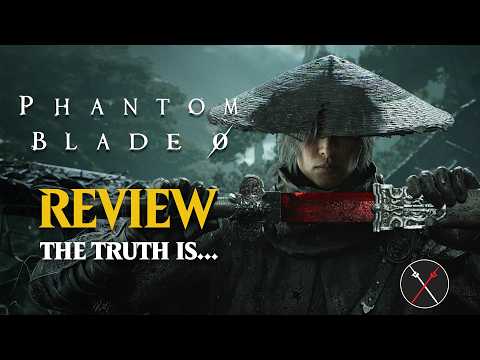
Difficulty is the other break from tradition. TechRadar pointed out in early 2025 that four difficulty options set the game apart from genre staples like Elden Ring and Lies of P, which lack them. Wayfarer is a genuine easy mode with weaker enemies and stronger attacks for Soul, Game8 confirms you can switch settings at any time from the Options screen, and no trophy or achievement is tied to the difficulty you choose. Boss retries are kinder as well: Mobalytics' guide to The Hunt notes that dying in his second phase sends you back to the start of that phase rather than the whole fight. And there is no online layer at all, so no invasions or co-op summons; our multiplayer explainer covers that in detail.
How the Combat Actually Feels in the Hands
Moment to moment, the game plays faster than a typical soulslike. On PS5 you dodge with R1, hold L1 to block and tap it to parry, and chain light and heavy attacks with Square and Triangle. Pressing left on the D-pad swaps between your two main weapons and refills Sha-Chi, while landed hits build Sha-Chi Essence for a Power Surge on L2 that interrupts and overpowers enemies. Wikipedia adds that a perfect parry against a brutal move or a perfect dodge through a killer move triggers Ghoststep, which repositions Soul behind the enemy.
Rock Paper Shotgun's preview headline summed it up as owing more to Ninja Gaiden than to soulslikes in the hands, citing spinning, flashy combos produced by a couple of button presses. Liang's own description, quoted by Wikipedia, is that combat happens at an extremely fast pace with high attack frequency, wall running and cinematic finishers. If you want the nuts and bolts, our existing combat guide covers parrying and dodging, and the Sha-Chi guide explains the weapon-switching resource loop.
How Hard Is It Compared With Soulslikes?
On its standard setting, the game sits in the demanding-but-fair range. PowerPyx rates the trophy list 4 out of 10 on Easy and 6 out of 10 on Normal, and its guide author describes Normal as slightly above average difficulty, while noting that some players new to the genre may still struggle with certain bosses even on Easy. For people who want the full soulslike sting, Hellwalker brings more advanced and adaptive enemy intelligence, and 66 Days, unlocked after one completion, ends your run permanently after 66 deaths.
Critics mostly enjoyed the combat. OpenCritic shows a Top Critic Average of 89 with 97 percent recommending it, and IGN's 9 out of 10 praised memorable boss fights and compelling combat. Not everyone agreed: Eurogamer's 3 out of 5 argued that balance and quality issues ultimately dim its shine. Soulframe Liang's launch letter states the intent clearly, describing a game that everyone who loves wuxia and spectacular action can enjoy, with an extra rush of adrenaline for those who seek a challenge.
Soulslike Habits to Keep, and Habits to Drop
Veterans of the genre arrive with strong instincts, and about half of them still serve you well here. Sorting them early saves a lot of frustration in the first few regions.
- Keep studying a boss before committing. Dangerous moves are telegraphed with colored flashes, red for attacks you should dodge and blue for ones you can parry, and patience in the opening exchanges pays off just as it does in Sekiro.
- Keep exploring every corner. Game8 notes that health and attack only rise through collectible items rather than leveling, with Memory Flowers among the sources of extra health, so a thorough sweep of each region is how Soul gets stronger.
- Drop the habit of hoarding currency out of fear. Since nothing is lost on death, there is no reason to spend everything before a risky fight just to protect it.
- Drop the urge to hide behind your guard. Holding block steadily drains Sha-Chi and an empty meter leaves you staggered, so swap weapons to refill it rather than turtling.
- Drop farming loops. With no respawning enemies, the answer to a wall is a different weapon, a new accessory or a lower difficulty for that single fight.
That last point is the biggest mental shift. Lowering the difficulty for one boss and raising it again afterward costs nothing here, because no trophy or achievement tracks the setting you finished on.
Who Will Enjoy It, and Who Might Not
- Sekiro fans will recognize the parry-driven duels and collectible-based upgrades, though the pace is faster and the penalties lighter.
- Hack-and-slash fans get flashy combos, weapon switching mid-string and finishers without needing to love grim checkpoint runs.
- Players who quit soulslikes over lost souls and repopulating enemies will find both of those rules gone.
- Purists who want maximum punishment should start on Pathbreaker and move to Hellwalker or 66 Days later, since the base game is more forgiving than FromSoftware's work.
- Anyone expecting a vast open map should read our guide to the semi-open world first, and our length guide covers how long a run takes.
Skip the Upgrade Grind, Keep the Challenge
Because enemies never respawn, you cannot farm your way past a wall, so upgrades come only from exploration and bosses. If you would rather spend your time on the duels themselves, the store's Phantom Blade Zero mega modded save hands you every weapon in the game along with 9,999 skill points and 99,999,999 currency. Its four fresh Cycle 1 slots include two with level 1 weapons for players who still want to earn their power, and two set to what the listing calls the Secret 66 Days difficulty; in the game, 66 Days normally unlocks only after you finish a playthrough.
Platform limits apply: the listing names PlayStation 5 and PC as the supported systems, with no Xbox or Nintendo Switch 2 version, and the game itself is not part of the purchase. The store's PS5 platinum trophy service is collected on the same Phantom Blade Zero hub.
Frequently Asked Questions
Is Phantom Blade Zero hard?
It is demanding on its standard setting but adjustable. PowerPyx rates the trophy list 6 out of 10 on Normal and 4 out of 10 on Easy.
Do you lose currency when you die?
No. PowerPyx confirms you do not lose anything when you die, so there is nothing to recover.
Do enemies respawn when you rest at a Bell?
No. Defeated enemies stay dead, which S-GAME says is meant to make everything in the game valuable.
Does it have an easy mode?
Yes. Wayfarer is the easiest of the four settings, aimed at players who mainly want the story.
Is it like Sekiro?
In places. The PlayStation Blog says the combat evokes Sekiro and Bloodborne but takes a more hybrid approach, and Game8 compares its collectible-based upgrades to Sekiro's prayer beads.
Can you change difficulty mid-game?
Yes, from the Options screen whenever you like, according to Game8, and trophies are unaffected by the setting.