
Taking to the sea is the moment Windrose opens up from a coastal survival game into a true Age of Piracy adventure. Ship-to-ship combat is a distinct discipline from the fighting you do on foot, with its own rhythm of positioning, firing, and deciding whether to sink an enemy at range or close in and board. This guide walks through how naval combat works and how to approach it without losing your hard-earned vessel.
Windrose is a Kraken Express game published by Pocketpair, in Steam Early Access on PC since 14 April 2026, and its naval systems are still being developed and tuned. I have kept the specifics qualitative and cross-checked the mechanics against the official Steam store page, the game's Steam community discussions, and the Windrose subreddit, all checked in October 2026. The number of ships, their exact handling, and combat balance may change with updates, so confirm the current details on your own save rather than assuming anything here is fixed.
Cannons versus boarding: two ways to win
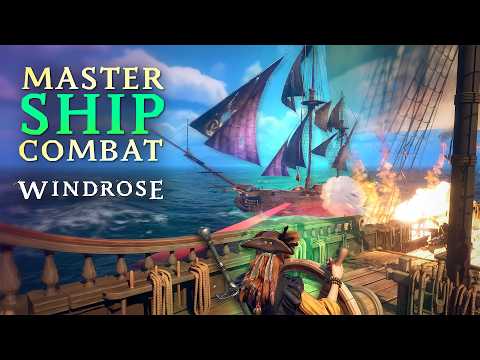
At its heart, Windrose naval combat offers two paths to victory. You can fight at range with cannons, battering an enemy vessel until it goes down, or you can close the distance and board, taking the fight onto the enemy deck where your on-foot combat skills decide the outcome. Each approach has a time and place, and strong captains learn to read the situation rather than defaulting to one.
Cannon fire is the safer, more methodical approach. You keep distance, manage your angles, and whittle the enemy down while minimizing the damage you take in return. It suits players who are confident in their ship handling and want to avoid the chaos of a boarding action. Boarding, by contrast, is aggressive and decisive. If you are strong in melee and firearms, closing in and fighting on the enemy deck can end a battle faster than a prolonged exchange of cannon fire, and it can let you seize rather than destroy. The trade-off is risk: a boarding action puts you in close and personal danger, so it rewards a well-equipped character. If you want to sharpen the on-foot skills a boarding action depends on, our Windrose combat tips guide is a good companion.
In practice, many engagements blend the two. You might soften an enemy with cannon fire to weaken them before committing to a boarding action, so the close-quarters fight starts in your favor. Or you might begin with the intention to board, find the enemy more dangerous than expected, and back off to finish them at range instead. The point is that cannons and boarding are not rival philosophies you must choose between once and for all, but tools you switch between as a battle unfolds. The captains who win most consistently are the ones who stay flexible, reading the state of the fight and the condition of both vessels before deciding how to land the finishing blow.

Positioning is most of the battle
As in real age-of-sail combat, position decides engagements before a single shot lands. You want to present your armed side to the enemy while denying them a clean shot at you, which means thinking about your heading, your speed, and the wind as you maneuver. A captain who maneuvers well can keep firing while taking little in return, while a captain who simply charges forward will take punishing broadsides.
Practice maneuvering in safe waters before you pick a serious fight. Get a feel for how long your ship takes to turn, how quickly it accelerates and slows, and how that changes with the vessel you are sailing. The bigger and more heavily armed ships trade agility for firepower and durability, so a nimble vessel plays positioning very differently from a large one. Knowing your ship's handling intimately is what separates a captain who dictates an engagement from one who merely reacts to it. For help choosing the right vessel for your style, see our Windrose best ship guide.
Prepare before you sail into danger
A naval engagement is won in part before it begins, through preparation. Make sure your ship is in good repair, that you are carrying the supplies a fight demands, and that your character is equipped for a possible boarding action, whether you are the one boarding or defending against it. Running out of what you need in the middle of the sea, far from your base, is a quick way to lose both the fight and the ship.
Think about what you are sailing into. Scouting the waters and understanding what you might encounter lets you decide whether to engage, avoid, or prepare for a tougher fight than usual. There is no shame in disengaging from a battle you are not equipped to win; a lost ship is a serious setback in a survival game, and living to fight another day is often the correct call. Preparation and discretion are as much a part of naval combat as the fighting itself.
Think of your ship the way you would think of your character in a land fight: it has durability that can run out, it needs the equivalent of ammunition and supplies, and it performs best when it is in good condition. Setting out to sea with a battered hull or thin stores is the naval equivalent of walking into a dungeon with broken gear and no food. Keep a habit of inspecting and resupplying your vessel before any serious voyage, and carry enough in reserve that an unexpected second fight on the way home does not leave you helpless. The ocean is unforgiving to captains who assume every trip will go to plan, and the ones who last are those who plan for the trip that does not.
Crew and co-op change everything
Windrose supports co-op for up to eight players, with four recommended, and naval combat is where cooperative play shines brightest. A crewed ship can divide responsibilities: someone steers and manages positioning while others handle the cannons or prepare to board. This division of labor makes a vessel vastly more effective than a single player juggling every task alone, and it turns a sea battle into a genuinely coordinated operation.
If you play solo, you will be handling everything yourself, which makes ship choice and preparation even more important, and it is one reason recruiting NPCs to support your wider operation matters so much. Whether you crew with friends or sail alone, understand that the demands of a naval fight scale with the ship, and a larger vessel that is wonderful with a full crew can be a handful solo. Match your ambitions to the hands you have available. Our Windrose co-op guide goes deeper into coordinating a crew.
If you sail solo and still want to tackle bigger fights, lean on preparation to make up for the hands you lack. A well-maintained ship, plentiful supplies, and a character equipped to win a boarding action can let a single captain punch above their weight, so long as they fight on their own terms. Pick engagements where your strengths matter most, use positioning to keep the pace of a fight under your control, and do not be too proud to disengage when a battle demands more than one person can manage. Solo naval play is entirely viable, but it rewards patience and discretion far more than the aggression a crewed ship can afford.
Learn the sea gradually
The ocean in Windrose is part of a procedurally generated world with well over a hundred dungeons and points of interest, many of them reachable only by sea. That means naval combat is not just an end in itself but the gate to a huge amount of content. Build your competence gradually: start with smaller engagements you are confident you can win, learn your ship's handling, and work up to the tougher encounters as your vessel, your gear, and your skill improve. The sea punishes overreach, but it richly rewards a captain who respects it.
As you grow more comfortable, pay attention to what each engagement teaches you about your own ship and your instincts. Notice which maneuvers kept you safe, which decisions cost you durability, and whether you tend to commit to boarding too early or hang back at range too long. Naval combat in Windrose rewards this kind of reflection, because the fundamentals of positioning and preparation stay constant even as the game is tuned during Early Access. A captain who learns deliberately from each fight will adapt far better to balance changes and new content than one who simply hopes the next battle goes well. Treat the sea as a teacher, and every engagement becomes a step toward mastery rather than just a gamble with your vessel.
A faster route to the open sea
Getting a capable ship and the gear to fight from it takes time and resources. If you would rather spend your hours exploring and fighting at sea than grinding toward your first real warship, you can browse options on the Windrose accounts and services page, which is an honest time-saver rather than a cheat or exploit. A good ship still has to be sailed well, so pair any head start with real practice on positioning and ship handling. Everything in this guide about cannons, boarding, and preparation applies regardless of how you reached the open water.
Frequently Asked Questions
Should I use cannons or board enemy ships?
Both are valid. Cannons are the safer, methodical choice that keeps you at range, while boarding is aggressive and decisive if your on-foot combat is strong. Read each situation rather than always defaulting to one approach.
How important is positioning in naval combat?
It is most of the battle. Presenting your armed side while denying the enemy a clean shot, and managing your heading and speed, lets you deal damage while taking little in return. Practice ship handling in safe waters first.
How many ships are in Windrose?
There are three ships in the current Early Access build, described as a ketch, a brig, and a frigate. Because the game is in Early Access, the roster and their handling may change, so verify the current state on your own save.
Can I do naval combat solo?
Yes, but you handle every task yourself, which makes ship choice and preparation more important. Co-op lets a crew divide steering, cannons, and boarding, making a vessel far more effective, so match your ship to the hands you have.
Is it okay to flee a naval fight?
Absolutely. Losing a ship is a serious setback in a survival game, so disengaging from a battle you are not equipped to win is often the correct call. Scout, assess, and only commit when the odds favor you.
How do I prepare for a sea battle?
Keep your ship repaired, carry the supplies a fight demands, and equip your character for a possible boarding action. Scout the waters ahead so you can decide whether to engage, avoid, or prepare for a tougher encounter.