
If you played the old DMZ, you knew weapons as either insured, a slot that gave your gun back after a cooldown, or contraband, a looted gun you lost if you died. Modern Warfare 4 changes this. There is no classic insured cooldown slot; instead your reliable weapons come from cash and Weapon Manuals, while contraband still means a looted gun that is gone if you fail to exfil.
This guide explains both terms as they apply at launch, how the new cash-and-manual system fills the role insurance used to, and the practical question every run comes down to: when is it worth risking a powerful contraband weapon, and when should you fall back on something you can always rebuy.
What contraband means now
A contraband weapon is any gun you loot in the field rather than buy, whether from a body, a container, a boss or a rival player. It goes into your Stash as a single physical copy. You can use it, build it up further at the Gunsmith, and extract with it, but if you lose it on a run it is gone for good. Contraband guns can carry up to eight attachment slots, so they are often more powerful than anything you can build yourself.
In short, contraband is power without permanence. It is the gun that wins you a run, right up until the run it loses. For where these guns come from, see our weapon case and contraband rewards guide.
What replaced insured weapons
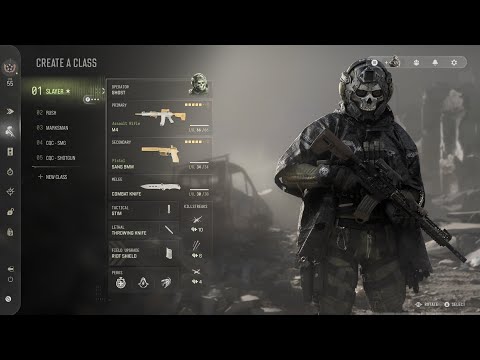
In the old mode, an insured slot returned your custom weapon after a timer. Infinity Ward rebuilt this for Modern Warfare 4: your gear is produced through the FOB, and your weapons are driven by the cash you earn in matches. Rather than waiting out a cooldown, you unlock a weapon permanently by extracting its Weapon Manual, then buy and rebuild that base gun with DMZ Cash whenever you deploy.
Functionally, a manual-unlocked weapon is the new insurance: you can never permanently lose access to it, only the specific copy you took in, which you rebuy cheaply. The difference is that reliability now costs cash and a one-time manual hunt instead of a cooldown. Our weapon manuals explained and Gunsmith guide cover that pipeline.
| Aspect | Contraband (looted) | Manual-unlocked (bought) |
|---|---|---|
| How you get it | Loot in the field | Extract manual, buy at Gunsmith |
| Copies | One; gone if lost | Rebuy any time with cash |
| Attachment ceiling | Up to 8 slots | Gunsmith cap (lower) |
| Reliability | Temporary | Permanent access |
| Cost | Risk of losing it | Cash per copy and per slot |
| Best use | Big one-off power | Dependable daily driver |
Weapon Insurance Contracts
There is one wrinkle worth flagging honestly. Some editions of the game list Weapon Insurance Contracts as items, which suggests a form of weapon protection exists. As of launch, Activision has not fully detailed how these work, so treat any specific claim about them as unconfirmed and watch the official patch notes. The core systems you can rely on are manuals, cash and Secure Slots.
This is the safe way to plan: build your reliability around what is documented, and treat anything labelled insurance as a bonus until its mechanics are confirmed.
When to risk a contraband weapon
The real decision is situational. Risk a powerful contraband gun when the run's payoff justifies it, for example on a boss hunt or a manual run where the extra firepower directly raises your chance of success and extraction. Play safe with a rebuyable Gunsmith weapon when you are doing routine looting or learning the map, because losing a cheap gun costs nothing but the copy.
A good habit is to carry one dependable manual-unlocked weapon as your anchor and treat any strong contraband find as a situational upgrade you either cash in by extracting or spend aggressively that run. For choosing which looted guns are worth it, see best weapons to extract.
Protecting what you carry
Whichever weapon you run, the keep-or-lose rule is the same: what you extract is kept, what you fail to exfil is lost. Secure Slots on upgraded backpacks keep an item even through a failed exfil, which makes them the closest thing to insurance for a single prized item. Beyond that, discipline does the work: leave while you are ahead, avoid contested exfils when you are holding something good, and never push one more fight with a gun you cannot bear to lose. The full rules are in our items guide, and if you want strong guns in your locker without the risk of the grind, the store offers a DMZ weapons service.

A loadout plan that balances both
The healthiest way to run DMZ weapons is to treat manual-unlocked guns and contraband as two halves of one plan rather than competing choices. Your anchor should be a manual-unlocked weapon you have built at the Gunsmith for a role you run constantly, usually a versatile assault rifle or a reliable SMG. Because you can rebuy it any time with cash, losing it costs only the copy, so you can play it aggressively without fear. That anchor keeps you effective on every single deployment regardless of what you find.
Contraband then fills the opportunistic slot. When you loot a high-rarity gun with more attachment slots than you could build, you decide in the moment: use it hard this run, or play cautious and bank it as a keeper. Neither choice is wrong, but making it consciously is what stops you from losing a great gun by habit. Over a session this plan means you are never under-armed, you always have something to rebuy, and the powerful finds become bonuses rather than crutches. Pair it with disciplined extraction and Secure Slots for your most prized item, and your arsenal grows steadily instead of swinging between feast and famine. For which looted guns deserve that keeper slot, see best weapons to extract.
What losing a weapon really costs
It is worth being clear-eyed about what you actually lose when a gun is gone, because the answer differs sharply between the two types. Lose a manual-unlocked weapon and you lose only that copy: the base and its attachment slots cost cash to rebuild, which a FOB Gunsmith discount softens, and five minutes later you are armed with the same thing again. The unlock itself is permanent, so the loss is an inconvenience, not a setback. That is exactly why these guns are safe to play aggressively; the downside is capped at a known, affordable rebuild cost.
Lose a contraband weapon and you lose the only one you will ever have unless you loot another. A high-rarity gun with eight attachment slots that you killed a Commander for is not something the Gunsmith can reproduce, so dying with it erases both the weapon and the run's biggest prize at once. This asymmetry should drive how you play each gun. Run your rebuyable weapon as the workhorse that takes the fights, and let the irreplaceable contraband gun ride in a Secure Slot or stay holstered until the moment it is clearly worth the risk. Players who understand this stop treating all weapon loss as equally painful and start making the trade consciously: cheap losses often, expensive losses rarely, and never an expensive loss through simple carelessness on an exfil they could have walked.
Frequently Asked Questions
Are there insured weapons in MW4 DMZ?
Not in the old cooldown form. Infinity Ward replaced that with a cash-and-manual system: extract a Weapon Manual to unlock a weapon permanently, then rebuy it with cash. Some editions list Weapon Insurance Contracts, but their mechanics are not fully detailed as of launch.
What is the difference between contraband and insured?
Contraband is a looted gun, a single copy you lose if you die. The modern equivalent of insurance is a manual-unlocked weapon you can always rebuy with cash, trading the old cooldown for a cash cost.
Why are contraband weapons sometimes stronger?
Looted weapons can carry up to eight attachment slots, more than a Gunsmith build's cap, so a fully kitted rival or boss gun can out-attach anything you build.
Do I lose contraband weapons when I die?
Yes, unless the item is in a Secure Slot. Anything in your backpack that is not secured is lost on a failed exfil, contraband guns included.
Can I protect a looted weapon?
Secure Slots on upgraded backpacks keep an item even through a failed exfil, so they are the closest thing to insuring a prized gun. Otherwise, extract carefully and leave while ahead.
Should I run contraband or a bought weapon?
Carry a rebuyable manual-unlocked weapon as your anchor and use a strong contraband find situationally, on high-payoff runs where the extra power helps you succeed and extract.