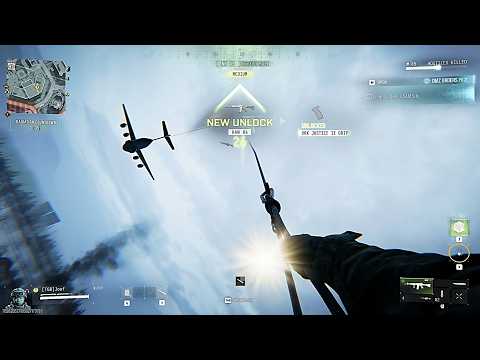
Earning DMZ Cash in Modern Warfare 4 is only half the game; knowing where it goes is the other half. Your cash funds four main things: base weapons and attachment slots at the Gunsmith, Operator Prestige, rescuing MIA Operators, and vehicle infils. Because the Bank is shared and capped, spending well matters as much as earning.
This guide breaks down every sink for DMZ Cash, what each one costs as far as Activision has published, and the order most players should buy in so that early cash builds a foundation rather than disappearing into a single expensive purchase.
Gunsmith: weapons and attachment slots
The Gunsmith unlocks at DMZ Player Level 10 and is where most of your early cash goes. Once you have found and extracted a weapon's Weapon Manual, you can buy that base weapon with DMZ Cash any time you deploy, then pay to add attachment slots. Attachments are bought slot by slot, so a fully kitted gun is a running cost rather than a one-off.
This is the sink that keeps you armed, and it is the one to prioritise first, because a reliable weapon you can rebuy after every run is what makes the rest of your earning possible. For the full workflow, see our MW4 DMZ Gunsmith guide, and for how manuals gate it, the weapon manuals explained guide.

Operator Prestige
The single biggest cash sink is Operator Prestige, which resets and empowers an Operator for permanent gains. It is expensive on purpose: the first Prestige costs around 200,000 DMZ Cash and the second around 300,000. Prestige also consumes high-rarity gear alongside the cash, so it is a goal you build toward over many runs rather than a casual buy.
Because it is so costly, Prestige is effectively what late-game farming is for. Once your weapons are sorted and your FOB is upgraded, most of your banked cash should be flowing toward it. If you would rather not grind the full 200,000-plus, you can have your bank topped up done for you and spend it on the Prestige yourself.
Rescuing MIA Operators
When you fail to exfil, your Operator goes MIA, and getting them back costs cash. The price scales with that Operator's accumulated Trait Points, so your most developed Operators are the most expensive to recover. A rescued Operator also returns without the gear they were carrying, so the rescue fee buys back the character, not their loadout.
This makes rescues a hidden tax on dying with a strong Operator. It is another reason to extract carefully with your best characters and to keep a cash buffer rather than spending every last dollar the moment you bank it.
| Sink | Approximate cost | Priority |
|---|---|---|
| Base weapon at Gunsmith | Low (e.g. ~5,000 for an M4) | First |
| Attachment slots | Rising per slot | First |
| FOB upgrades | Cash plus valuables/ingredients | Early-mid |
| MIA Operator rescue | Scales with Trait Points | As needed |
| Vehicle infils | Charged per drop | Situational |
| Operator Prestige | ~200,000 then ~300,000 | Late |
Vehicle infils
DMZ infil vehicles are unlocked once through Story Missions and then stay unlocked, but using them costs cash per drop. The Polaris Dagor A1 is the cheapest at around 5,000, the LTV around 25,000, the Helicopter around 50,000 and the Cargo Plane around 100,000. The unlock is permanent; the fee is paid each time you deploy with one.
That per-drop charge means vehicle infils are situational rather than default. A helicopter drop onto a distant objective can be worth it on a planned boss or manual run, but spending 100,000 on a Cargo Plane for a casual loot run is rarely efficient. For the unlock path, see our guide to unlocking DMZ vehicles.

FOB upgrades
Beyond direct spending, cash and materials fund FOB upgrades that make every future run more efficient. Gunsmith discounts lower your weapon costs over time, and extra Dog Tag Case storage lets you hold more progress. These upgrades are funded partly by valuables like Gold Bars and Gold Skulls and partly by cash, so some of your valuables are better invested than sold outright.
Thinking of FOB upgrades as investments reframes spending. A Gunsmith discount pays for itself across dozens of weapon purchases, which is why mid-game players route some cash here before chasing the full Prestige total.
A smart spending order
For most players the order is simple. First, get one dependable weapon with its core attachment slots so you are never under-armed. Second, invest in FOB upgrades that cut your running costs, especially a Gunsmith discount. Third, keep a small rescue buffer so a bad run does not strand your best Operator. Fourth, pour the rest into Prestige. Vehicle infils slot in whenever a specific run justifies the fee.

Budgeting across a play session
Because the Bank is shared and capped, it helps to think about cash across a whole session rather than one run at a time. A common mistake is to bank a big haul and immediately spend it all on a single expensive purchase, leaving nothing to recover an Operator if the next run goes wrong. The rescue cost scales with an Operator's Trait Points, so your best characters are exactly the ones you cannot afford to leave stranded. Keeping a floating buffer, enough to rescue your most developed Operator, means a single bad exfil never snowballs into losing access to your strongest kit.
The same logic applies to vehicle infils. Paying 50,000 for a helicopter or 100,000 for a Cargo Plane can be worth it on a planned boss or manual run, but doing it casually drains cash you could have put toward Prestige or a Gunsmith discount. A simple rule of thumb: cover your essentials first (a working weapon and a rescue buffer), invest in upgrades that lower future costs, and only then commit the surplus to big-ticket goals. That order keeps you solvent through a losing streak and compounds your spending power over time, which matters when the second Operator Prestige alone costs around 300,000 cash.
Why your spending changes over time
What you spend DMZ Cash on is not fixed; it shifts as you progress through the mode's 1-70 DMZ Player Level track. Early on, almost everything goes toward getting functional: your first extracted Weapon Manual, the base weapons it unlocks, and the core attachment slots that make those guns usable. This is the cheapest phase, and it is where cash goes furthest, because a few thousand spent on a reliable weapon pays off across dozens of runs.
In the mid game, your priorities move to efficiency. FOB upgrades funded by cash and valuables like Gold Bars and Gold Skulls grant things like Gunsmith discounts and extra Dog Tag Case storage, each of which quietly lowers your running costs or raises how much progress you can hold. Spending here is an investment rather than a purchase, and it is easy to undervalue because the benefit is spread across every future run instead of showing up at once. Late game is dominated by the two biggest sinks, Operator Prestige at roughly 200,000 then 300,000, and the rescue fees for your most developed Operators. By then your weapons and FOB should be sorted, so the bulk of your banked cash flows toward Prestige. Recognising which phase you are in stops you from, say, pouring early cash into an expensive vehicle infil you do not yet need, or hoarding late-game cash you should be spending before you hit the Bank cap.
Frequently Asked Questions
What should I spend DMZ cash on first?
A reliable base weapon and its core attachment slots at the Gunsmith, which unlocks at DMZ Player Level 10. Being well-armed makes every other form of earning easier.
How much does Operator Prestige cost?
Around 200,000 DMZ Cash for the first Prestige and around 300,000 for the second, and it also consumes high-rarity gear. It is a long-term goal rather than an early purchase.
Why is rescuing an Operator so expensive?
The rescue cost scales with the Operator's accumulated Trait Points, so your most developed Operators cost the most to recover, and they return without the gear they lost.
Do I pay for vehicles every time?
The unlock through Story Missions is one-time and permanent, but each infil with a vehicle charges a fee per drop, from about 5,000 for the Dagor to 100,000 for the Cargo Plane.
Should I sell valuables or use them for upgrades?
Both are valid. Valuables sell to the Vendor for cash, but Gold Bars, Gold Skulls and ingredients also fund FOB upgrades like Gunsmith discounts, which save cash over time.
Is there a point in hoarding cash?
No. The Bank has a maximum capacity, so once you near the cap you should spend it, typically on Prestige or FOB upgrades, rather than risk more in the field.