In ARC Raiders, Coins are everything - they buy weapons, gear, workshop materials and the room to take risks. The problem new Raiders hit fast is that it is easy to spend more than you earn, dying topside with a full backpack before you ever cash it in. This guide explains how the ARC Raiders economy actually works and the most reliable ways to build a steady income, so you stop grinding break-even runs and start getting ahead.
How Coins actually work
The single most important rule: your loot is not yours until you extract. You can fill your backpack with high-value salvage, but if you die topside it all drops for someone else. Coins come from what you bring back to Speranza - selling and recycling the loot you successfully extract - which is why the smartest earners play to survive and exfil, not to win every fight. Recycling only happens back in town, and selling Topside items to the right vendors is where the bulk of your early income comes from.
Sell, keep, or recycle?
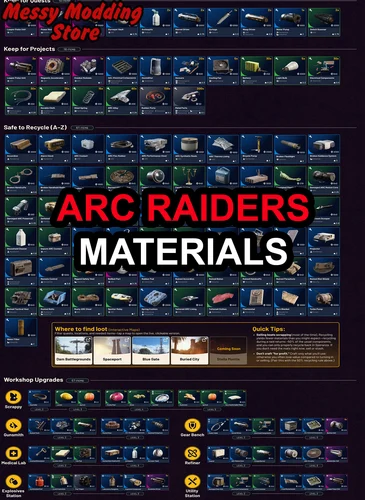
Knowing what to do with each item is half the battle. Broadly, sell high-value loot you do not need, recycle common items for crafting materials you will actually use, and keep the gear and consumables that keep you alive on the next run. The mistake that keeps players poor is hoarding - a stash full of items you will never use is Coins sitting idle, while vendoring that same loot funds better equipment now.
| Item type | Do this |
|---|---|
| High-value salvage you do not need | Sell for Coins |
| Common materials | Recycle for crafting components |
| Gear, meds, ammo | Keep to survive the next raid |
| Quest items | Hold until the quest needs them |
The reliable ways to earn
The steadiest income is boring and it works: run maps you know, loot efficiently, avoid unnecessary fights, and extract. A clean run that nets a backpack of mid-value loot every time beats a risky run that occasionally strikes gold and often ends in death. Completing quests from Speranza's vendors pays out directly and unlocks better selling options, and ARC machine parts from kills you can safely take are a consistent earner once you can handle the fights.
Higher-value runs once you are geared
As you progress, the high-loot maps become the real money makers. Later zones like Stella Montis carry the highest-value salvage in the game, but they also carry the most danger, so they only pay off once your gear and map knowledge can get you out. The jump from scraping by to genuinely wealthy usually comes from graduating to those maps safely rather than from any single trick.
If you just need Coins now
Sometimes you want to skip the grind and get straight to the gear - a new weapon, a workshop upgrade, a stash that is not overflowing. If that is you, an ARC Raiders Coins boost tops up your balance directly, and an ARC Raiders Materials delivery covers the crafting components the economy is really about. For the full picture of what to spend on next, see our crafting guide and workbench upgrades guide. Everything is on the ARC Raiders services hub.
Common money mistakes
Most Raiders who stay poor are making one of a few avoidable mistakes. The biggest is overcommitting to fights for loot that is not worth the risk - a single death wipes a whole backpack, so a fight you did not need to take can erase an hour of progress. The second is hoarding: items sitting in your stash are Coins you are not spending on upgrades that would earn you more. The third is bringing expensive gear on routine runs, so every death costs far more than the run was ever going to return. Fix those three and your balance climbs on its own.
A simple daily loop
A reliable routine beats chasing jackpots. Pick a map you know, take a loadout you can replace from one good run, loot efficiently toward an exit, and get out - then sell what you do not need and reinvest in the next upgrade. Fold a quest or two into each run so you are earning rewards on top of loot. It is unglamorous, but a steady loop of survivable runs compounds into real wealth far faster than occasional high-risk raids that end in death.
Scaling your income as you progress
Your income should grow in stages, and trying to skip a stage is how players get themselves killed for nothing. Early on, safe runs on the starting map and selling common salvage fund your first upgrades. As your gear and survival improve, you graduate to busier, higher-value maps where the loot is worth more but the danger is real. By the late game, consistent runs on the top-value zones, combined with efficient recycling and a maxed workshop that makes your gear cheap to replace, turn a modest income into genuine wealth. The jump between stages always comes from survivability first - you only earn more on a dangerous map once you can reliably leave it alive, so invest in the skills and gear that keep you breathing before you chase the bigger paydays.
Turning Coins into more Coins
The real mark of a wealthy Raider is not a big balance but money that works for itself. Once you have a stable income, the smart move is to reinvest it into things that lower your costs or raise your earnings per run - workshop upgrades that make your loadout cheaper to craft, stash space that lets you keep more valuable loot, and skills that help you survive and carry more. Each of those turns a one-time pile of Coins into a permanent increase in how much you net every time you go out. Players who simply sit on their savings plateau, while those who keep reinvesting into their own efficiency find that the grind gets easier and the paydays bigger the longer they play. Think of your balance as fuel for compounding, not a high score to protect.
The bottom line
Money in ARC Raiders is less about tricks and more about discipline: extract consistently, sell what you do not need, reinvest in upgrades that make your gear cheaper, and only chase higher-value maps once you can survive them. Do that and your balance climbs on its own. If you would rather skip straight to the gear and upgrades, an ARC Raiders Coins boost or Materials delivery gets you there, and the rest of the economy is covered across the ARC Raiders services hub.
Related ARC Raiders guides
- ARC Raiders Coins boost
- ARC Raiders Materials
- ARC Raiders crafting guide
- ARC Raiders workbench upgrades
- How to extract in ARC Raiders
- All ARC Raiders services
Frequently Asked Questions
How do you make money fast in ARC Raiders?
Extract consistently and sell what you do not need. Your loot only becomes Coins once you return to Speranza, so survivable runs that always exfil beat risky runs that often end in death. Selling high-value salvage and completing vendor quests are the steadiest earners.
Should you sell or recycle loot in ARC Raiders?
Sell high-value items you do not need for Coins, and recycle common items for crafting materials you will use. Keep gear, meds and ammo to survive your next run, and hold quest items until needed.
Why am I always broke in ARC Raiders?
Usually because you are dying topside before extracting, or hoarding loot instead of selling it. Prioritise getting out alive with mid-value loot every run, and vendor what you are not going to use rather than letting it sit in your stash.
What is the fastest map for money in ARC Raiders?
Higher-tier maps like Stella Montis hold the most valuable loot, but they are only profitable once your gear and knowledge let you extract safely. Early on, a map you know well and can exfil from reliably earns more than a risky high-tier run.
Can you buy Coins for ARC Raiders?
You can top up your balance with a Coins boost if you would rather skip the grind, along with materials deliveries for crafting. It is a shortcut to the gear and upgrades the economy is really about.
Is it better to loot or to fight for money in ARC Raiders?
Loot and extract. Fights are a risk to the backpack you are trying to bring home, and a single death wipes it. Take only the fights you cannot avoid, and prioritise getting out with what you have over contesting more loot.
How much should I spend on gear per run?
Only as much as you can replace from one good run. If a loadout costs more than a successful raid returns, every death sets you back, so keep your regular kit affordable and save expensive gear for high-value maps.