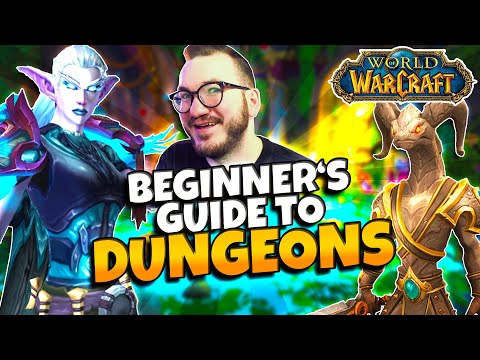
Dungeons are where many World of Warcraft players spend the bulk of their endgame time, and for good reason: they offer gear, a scalable challenge, a steady supply of rewards and some of the most satisfying group play in the game. Understanding how the dungeon system is structured — its difficulty tiers, the roles that make a group work, and the tools that help you find one — transforms dungeons from intimidating to approachable.
The systems and etiquette here were cross-checked against Wowhead's dungeon guides, Icy Veins, the r/wow community and Blizzard's official documentation, reviewed in October 2026. Dungeon rosters, difficulty tuning and the keystone system change every season, so confirm the current season's dungeons and rules in-game before diving in.
Understanding dungeon difficulty tiers
WoW dungeons come in escalating difficulty tiers, each rewarding better gear in exchange for a tougher challenge. The entry tier is a gentle introduction suitable for fresh max-level characters, with forgiving mechanics and modest rewards. Above it sits a heroic tier that demands more awareness and coordination, and above that the scaling keystone system — commonly called Mythic Plus — which ratchets difficulty up through ever-higher levels, with rewards climbing to match.
The practical approach is to start at the tier your gear and experience can handle and work upward as you improve. There is no shame in running the entry tier to learn a dungeon's layout and mechanics before attempting harder versions; in fact, learning the route and the boss fights on an easy difficulty first is exactly how experienced players approach new content. Rushing into a difficulty above your gear level is the most common cause of frustrating, failed runs.
Each tier also serves a distinct purpose in your progression, which is worth keeping in mind so you run the right one at the right time. The entry tier exists to gear you up from fresh max level and to teach the dungeons without punishing mistakes. The heroic tier bridges you toward the endgame and rewards gear that makes the keystone system approachable. The keystone system itself is where the content becomes open-ended and genuinely challenging. Moving through them in order is not just safer, it is faster overall, because each tier equips you for the next. Players who respect this progression reach the high end sooner than those who try to skip steps and spend their time wiping instead of clearing.

The three roles and how they work together
Every dungeon group is built around the holy trinity of roles: a tank who holds enemy attention and controls the pace, healers who keep the group alive, and damage dealers who eliminate the enemies. A standard five-player dungeon group runs one tank, one healer and three damage dealers. Each role has a distinct job, and a run succeeds when all three do theirs — the tank sets the pace and gathers enemies, the healer manages everyone's health and resources, and the damage dealers kill efficiently while handling their assigned mechanics.
If you are new to group content, understand your role's core responsibility before queueing. As a damage dealer, that means dealing damage while avoiding ground effects and interrupting the right casts. As a tank or healer, the responsibility is higher but so is the demand — these roles enjoy near-instant queues. Our best class for beginners guide covers which roles suit newcomers best.
One responsibility shared by every role, and chronically underused by newer players, is interrupting enemy casts. Many of the most dangerous abilities in a dungeon are casts you can stop with a well-timed interrupt, and a group that coordinates its interrupts clears far more smoothly than one that simply tries to out-heal the damage. Learn which enemy casts matter in the dungeons you run — the wiki and encounter guides flag the important ones — and get in the habit of using your interrupt on them. This single skill does more to improve a group's success rate than almost any amount of extra gear, and it is a habit worth building from your very first runs rather than discovering later under pressure.
Finding a group with the tools provided
WoW offers several ways to form a dungeon group. The automated Group Finder queues you into a random dungeon of a chosen difficulty with other players, which is the easiest option for the entry and heroic tiers — you queue, wait, and are placed in a group automatically. For higher-end keystone content, the manual group-listing tool lets you browse and join specific groups or advertise your own, giving you more control over who you run with and which dungeon you tackle.
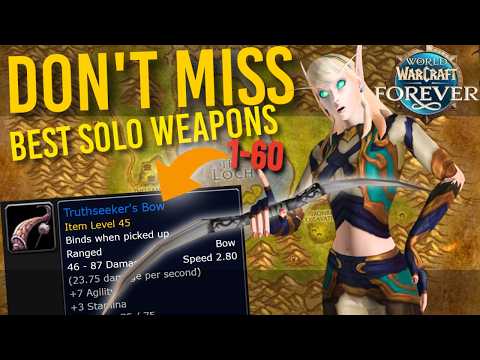
For the automated queue, remember that tanks and healers wait seconds while damage dealers can wait considerably longer, so queueing as a tank or healer is the fastest way into content. Whichever tool you use, having your gear at an appropriate item level for the difficulty makes you a more welcome group member and smooths the whole experience — our gearing guide covers how to get there.
When you advertise or join a group through the manual listing tool, a little preparation goes a long way toward being accepted and having a smooth run. Have a sense of the dungeon and your role before you apply, make sure your gear is genuinely appropriate for the level being run, and be honest about your experience rather than overstating it. Group leaders are more likely to invite a player who clearly knows what they are doing than one with a marginally higher item level but no evident understanding. If you are leading your own group, a clear, specific listing attracts better applicants than a vague one, and a brief word about the plan before you start sets everyone up to succeed.
Keystone dungeons and the competitive endgame
The keystone system is the competitive heart of dungeon content. Using a special item that sets the difficulty, groups run dungeons against a timer at escalating levels — clear it in time and your keystone upgrades to a higher level, pushing you toward progressively harder, more rewarding runs. This creates an open-ended challenge that keeps dungeon content fresh all season, since there is always a higher level to attempt.
Keystone dungeons demand more than the lower tiers: knowledge of the route, coordinated use of crowd control and cooldowns, and the ability to handle seasonal modifiers that change how the dungeon behaves. The rewards scale accordingly, with the highest keystone levels offering some of the best gear outside of raiding. If you want to push this content, study the current season's dungeons and modifiers on Wowhead and consider the encounter-warning and aura addons in our best addons guide.
Routing is the skill that most distinguishes experienced keystone players from newcomers. Because these runs are timed and require clearing a certain amount of the dungeon's enemies, deciding which groups to pull, which to skip, and how to chain them together efficiently makes an enormous difference to whether you beat the clock. Good routes balance speed against safety, pulling as much as the group can handle without overextending into a wipe. You do not need to invent routes from scratch — the community shares proven routes for each dungeon every season — but understanding why a route works lets you adapt when a pull goes wrong, which it inevitably will. Pair that knowledge with clear communication, and even a pug group can clear difficult keys.
Running dungeons well and getting help
Good dungeon etiquette makes every run smoother: let the tank set the pulling pace, communicate before engaging a boss, use crowd control on dangerous enemies, and be patient with players who are learning. A friendly, communicative group clears faster and more enjoyably than a silent, rushing one, and the community remembers players who are pleasant to run with.
Mistakes are part of dungeon running, and how a group handles them matters more than whether they happen. Everyone pulls too much occasionally, misses an interrupt or stands in something they should not; the players worth running with shake it off, learn from it and keep going rather than assigning blame. If you cause a wipe, a brief acknowledgement and a fix is all anyone wants — long apologies slow the group as much as the mistake did. And if someone else errs, patience costs you nothing and keeps the run enjoyable. This attitude is especially important in the timed keystone content, where frustration spreads fast and a composed group recovers from a bad pull far better than a tense one. The best dungeon runners are not those who never err, but those who stay calm and adaptable when things go sideways.
If you want to experience high-end keystone content, clear a difficult dungeon for its rewards, or get a character geared and ready for the dungeon endgame without the grind, the World of Warcraft boosting and accounts page lists services that can help. Many players run the lower tiers themselves to learn and enjoy the content, then use services for the hardest keystone pushes or to save time. However you engage with them, dungeons are among the most rewarding content WoW has to offer, and understanding their structure is the first step to mastering them.
Frequently Asked Questions
What are the dungeon difficulty tiers?
Dungeons escalate from a gentle entry tier suitable for fresh max-level characters, to a heroic tier demanding more coordination, to the scaling keystone system (Mythic Plus) that ratchets difficulty and rewards up through ever-higher levels. Start at the tier your gear can handle and work upward.
How does a dungeon group work?
A standard five-player group runs one tank who holds enemy attention and sets the pace, one healer who keeps everyone alive, and three damage dealers who eliminate enemies while handling mechanics. A run succeeds when all three roles do their job.
How do I find a dungeon group?
Use the automated Group Finder to queue into a random dungeon of a chosen difficulty for the entry and heroic tiers, or the manual group-listing tool to browse and join specific groups for higher-end keystone content. Tanks and healers get near-instant queues.
What is the keystone system?
A special item sets a dungeon's difficulty, and groups run it against a timer at escalating levels. Clearing it in time upgrades your keystone to a higher level, creating an open-ended challenge with rewards that scale up to some of the best gear outside raiding.
Should I learn a dungeon on easy difficulty first?
Yes. Learning the route and boss mechanics on an easier difficulty before attempting harder versions is exactly how experienced players approach new content. Rushing into a difficulty above your gear or knowledge is the most common cause of failed runs.
What is good dungeon etiquette?
Let the tank set the pulling pace, communicate before engaging bosses, use crowd control on dangerous enemies, and be patient with players who are learning. A friendly, communicative group clears faster and more enjoyably, and the community remembers pleasant players.