
Your first car in Need for Speed Unbound is not a permanent commitment, but it does shape your opening hours, so it is worth choosing thoughtfully. The early campaign throws lower-tier races at you before you have much money, and a well-chosen starter that handles predictably and wins consistently gets you off the ground faster than a flashy but twitchy pick. This guide covers how starter car choice works, what actually matters early on, and how your first car sets up the opening weeks before you can afford better.
How the starter choice works
Early in Unbound you make a choice of starter car and begin building your garage from the lower tiers, with limited cash to upgrade and little room for error. Because you cannot yet afford multiple cars or max upgrades, your starter carries you through the first campaign week or two, which makes reliability more valuable than raw potential. The good news is that nothing here is permanent - as you earn money you will buy and build better cars quickly, so the starter is a stepping stone rather than a long-term decision. The aim is simply to pick something that wins the early races comfortably and does not fight you while you learn the game's handling and systems.
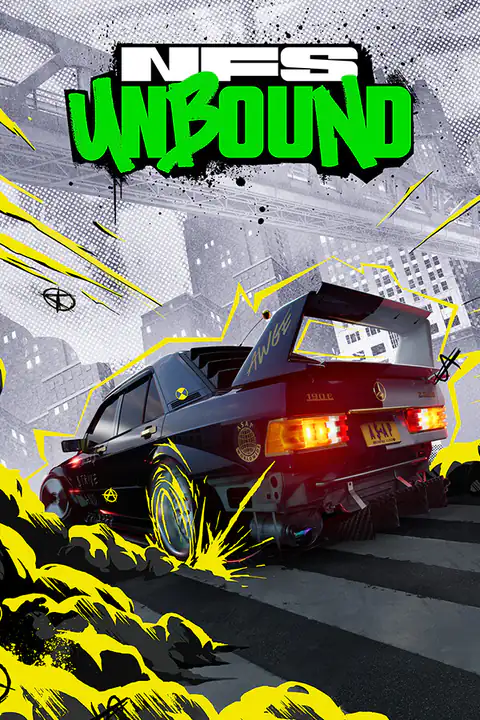
What matters in a starter car
For a starter, prioritise balanced, forgiving handling over top-end stats. In the lower tiers you win by driving cleanly and consistently, and a car that corners predictably lets you do that while you are still learning the roads of Lakeshore and the feel of the game. A nimble sports car with good acceleration and steady grip beats a powerful but unstable one that spins out and costs you races. Avoid choosing purely on looks or brand love at this stage; you will have plenty of chances to drive your dream cars once the money flows. The best starter is the one that makes the early weeks smooth, builds your confidence, and banks the cash you need to move up.
Setting up the early weeks
The campaign is structured in weeks building toward qualifiers, and your starter needs to carry you through the first of these. That means it should be competitive at the tier the early races demand, with enough in reserve that a few upgrades keep it viable as the difficulty creeps up. Rather than pouring all your early cash into maxing the starter, spend just enough to stay competitive and save toward your first proper upgrade car, since the starter will be outgrown. Thinking a week or two ahead - what the next races require and what you are saving toward - stops you over-investing in a car you will soon replace. Our campaign guide explains the weekly structure in detail.
| Priority | Why |
|---|---|
| Predictable handling | Win early races by driving cleanly |
| Balanced acceleration | Keeps you competitive without spinning out |
| Upgrade headroom | A few parts keep it viable as difficulty rises |
| Do not overspend | You will outgrow it - save toward the next car |
When to move on
Knowing when to graduate from your starter is part of the skill. The signal is usually that the races are climbing into a tier your starter cannot comfortably reach even with upgrades, or that you have banked enough to afford a clearly better car. At that point, invest in a stronger mid-tier racer and let the starter retire or become a backup. Players who cling to their starter too long, pouring money into a car with a low ceiling, fall behind the campaign's difficulty curve. Moving up at the right moment - when the money is there and the races demand it - keeps you ahead of the challenge and your progress smooth, which is the whole point of a good early-game plan.

Skipping the early grind
If you would rather skip the tight early weeks entirely, the NFS Unbound Modded Starter Save delivers a modded starter save loaded with cash and progression, so you begin with the money to buy a proper car rather than scraping by in a starter. It is on the Need for Speed Unbound services hub, and our best cars guide covers what to aim for once you are past the early tiers.
Common early mistakes to avoid
A few early mistakes trip up new players and are easy to sidestep once you know them. The first is overspending on the starter car, maxing a machine with a low ceiling you will soon outgrow instead of saving toward a better one. The second is choosing a car purely on looks or brand love rather than how it drives in the early tiers, leaving you fighting a twitchy car while you are still learning. The third is neglecting to bank winnings, losing hard-won early cash to a cop bust before it is safe. The fourth is ignoring the collectibles and free-roam activities that would pad a thin early bankroll. And the fifth is rushing the campaign before learning the fundamentals, which makes every later race harder. Avoiding these - a sensible starter, disciplined banking, steady exploration and patient skill-building - makes the opening of the game smooth instead of frustrating, and sets you up to progress far faster than a player who learns them the hard way.
Learning the game in your starter
Your starter car is really a training tool as much as a racer, and treating it that way pays off. The opening weeks are where you learn Lakeshore's roads, the feel of the handling model, how nitrous behaves, how the cops escalate, and the rhythm of earning and banking - and a forgiving, predictable starter lets you absorb all of that without fighting the car on top of everything else. Use this period deliberately: practise cornering lines, experiment with nitrous timing, try a few drifts, and learn which parts of the map are good for shaking a pursuit. The skills you build in a modest starter carry over to every car you drive afterward, so the time is never wasted. Players who rush to a fast car before they have learned the fundamentals often struggle, because a powerful machine punishes the mistakes a starter would have forgiven. Mastering the basics first, in a car that cooperates, makes you faster in the long run than chasing power too early.
The bottom line on starters
Your starter car is a stepping stone, not a destiny. Pick something balanced and forgiving that wins the early races while you learn the game, spend just enough to stay competitive, and save toward your first proper upgrade car. Use the early weeks to master Lakeshore's roads, nitrous and the earning rhythm, then graduate to a stronger car when the races demand it and your bankroll allows. Treat the starter as training wheels that bank you the cash and skills to move up, and the opening of the campaign becomes a smooth on-ramp rather than a frustrating struggle.
Related Need for Speed Unbound guides
- NFS Unbound Modded Starter Save
- NFS Unbound best cars
- NFS Unbound how to make money fast
- NFS Unbound The Grand guide
- NFS Unbound beginner tips
- NFS Unbound customization guide
Frequently Asked Questions
What is the best starter car in Need for Speed Unbound?
The best starter is a balanced, forgiving sports car that handles predictably and wins the early lower-tier races, rather than a flashy but twitchy pick. Reliability matters more than raw stats early, since you win by driving cleanly while you learn.
Does your starter car choice matter in NFS Unbound?
It shapes your opening hours but is not permanent - you build your garage from the lower tiers and quickly earn money for better cars. Pick something that wins the early weeks comfortably; it is a stepping stone, not a long-term commitment.
Should I upgrade my starter car fully?
No - spend just enough to stay competitive through the early weeks and save toward your first proper upgrade car, since you will outgrow the starter. Pouring all your cash into a car with a low ceiling leaves you behind the difficulty curve.
When should I replace my starter car?
When the races climb into a tier your starter cannot comfortably reach even with upgrades, or when you have banked enough for a clearly better car. Moving up at the right moment keeps you ahead of the campaign's difficulty.
Can I skip the early-game grind in NFS Unbound?
A modded starter save delivers an account loaded with cash and progression, so you begin with the money for a proper car instead of scraping by in a starter through the tight early weeks.