
Building is the mechanic that makes Fortnite unique, and it is also the one that separates players more than any other skill in Build mode. The good news is that you do not need the hand speed of a professional to win most fights. You need a handful of reliable techniques and the discipline to use them calmly instead of spraying structures in a panic. Purposeful building beats fast building that accomplishes nothing.
Fortnite's building mechanics are stable season to season even as weapons and maps change, so the fundamentals here hold up well. I cross-checked the techniques against the r/FortniteCompetitive community, creator coaching content, and Mobalytics and GameRant guides, all checked in October 2026. The terminology is community-standard; verify any in-menu setting names on your current client.
Build to protect first
The first job of building is not aggression; it is survival. The instant you take fire, your reflex should be to put a wall between you and the shooter. A single well-timed wall stops a huge amount of damage and buys you the moment you need to think. New players often try to out-shoot an opponent who is already protected, trading damage they will lose. Experienced players wall up, reset the fight on their terms, and only then look for their opening.
From a wall, the next instinct is the cone and ramp cover, sometimes called turtling: wall in front, ramp and floor and roof around you so you are briefly enclosed and safe. This is your reset button. It gives you a second to heal, reload, or plan your next move without taking damage, and it is the foundation almost every other technique builds on.
The habit to drill here is reacting to damage with a build rather than with your aim. When a shot lands, your hand should place a wall before your brain has finished deciding what to do, because that reflex is what keeps you alive long enough to make a real decision. Players who try to win every exchange by shooting back faster are the ones who get knocked, while players who wall first and shoot second win the same fights comfortably.
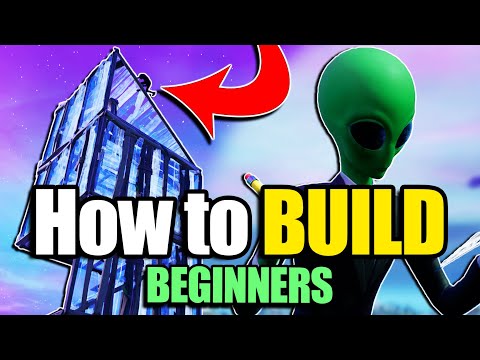
There is an order of priority worth internalizing for your defensive builds. Wall first, because it blocks the most immediate threat; then floor if you are exposed from below; then ramp and roof to complete your cover. Rushing this sequence or doing it out of order is how players leave a gap that a good opponent instantly exploits. In the heat of a fight you will not have time to reason through it, which is exactly why you drill the full enclosure as a single fluid motion in practice until your hands produce a complete, gapless box every time without you having to think about which piece goes where.
Fight for the high ground
Height is the biggest positional advantage in a build fight. The player on top can shoot down at an exposed opponent while staying mostly covered, and they control the pace of the fight. The classic way to take height is the ramp rush, stacking ramps and walls as you climb, but the more reliable modern approach is the 90: a tight spiral of walls and ramps that lifts you straight up in a small footprint, much harder to knock down than a long exposed ramp.
Learning a clean, repeatable 90 is probably the single highest-value building skill for the average player. It lets you contest or retake height quickly without over-extending, and it keeps you behind cover the whole way up. Practice it until it is muscle memory, because in a real fight you will not have time to think about each piece.
Just as important as taking height is knowing how to take it back when you lose it. Fights constantly trade the high ground, and the player who can retake it with a quick 90 or a cheeky ramp under the opponent will usually come out ahead. Do not treat losing height as the end of the exchange; treat it as a cue to build back up smartly from cover rather than exposing yourself in a desperate ramp rush that the enemy above can simply shoot down.
Box fighting and controlling space
A lot of close-range Fortnite happens inside a one-by-one box: you are enclosed in a small structure and trading edits and shots with an opponent doing the same next to you. The skills that matter here are replacing your opponent's walls with your own to take their cover, making quick edits to create a shooting window, and resealing before they can punish you. It is a fast, high-pressure exchange, and it rewards calm, deliberate inputs over frantic spamming.

The key mental shift for box fighting is that walls are shared space you are constantly fighting over. Taking your opponent's wall denies them cover and often opens them up for a shot. Being taken, in turn, means you need to re-wall or edit out of trouble immediately. Think of it as a tug of war over the structure rather than a pure aim duel.
Rhythm matters more than raw speed in a box fight. The best box fighters are not necessarily the fastest editors; they are the ones who time their peek, their shot, and their reseal so that they are never exposed for longer than it takes to fire. If you find yourself losing box fights, slow down and focus on only being open at the exact moment you are shooting. An edit that leaves you visible while you are still lining up a shot is just giving your opponent a free hit.
Knowing when not to build is its own skill. Against certain weapons and in certain positions, throwing up a wall simply tells your opponent exactly where you are and gives them a target to break, while a quick reposition behind natural cover would have been safer. Building is a tool, not a reflex to apply blindly, and the strongest players read whether the situation calls for a structure or for simply moving. If you find yourself building a huge tower every fight and still losing, try spending some of that material on movement and natural cover instead, and see how many fights become easier.
Manage your materials
Materials are a resource, and running out mid-fight is often fatal. Harvest as you move through the match so you arrive at the endgame with a healthy stock of all three material types, and be aware of which you are spending. Many players burn through one material carelessly and then find themselves unable to build when it matters most. In the final circles especially, material discipline frequently decides the winner more than aim does, because the player who can keep building has options and the player who cannot is a sitting target.
Develop a sense of which material suits which situation. One is quick to place but fragile, another is slower to reach full strength but far more durable, and the third sits in between. In a fast box fight you want whatever goes up instantly, while for a committed defensive hold you want the sturdier option that will survive sustained fire. Carrying a healthy balance of all three, rather than dumping everything into one, keeps every option open when the fight demands it.
It also pays to understand how your builds interact with edits before you drill them, because the two are inseparable in a real fight. A wall you place is not just cover; it is a surface you or your opponent can edit to open a shooting window, drop through, or push. The strongest players think a step ahead, placing builds with the edits they plan to make already in mind, and reading which of their opponent's walls can be taken to break their cover. Treat every piece you place as something that will be edited within seconds, and your building stops being a static shield and becomes an active part of how you attack and defend.
Practice deliberately
Building is a motor skill, and motor skills come from focused repetition, not from mashing in random matches. Use Creative practice maps and free-build zones to drill one technique at a time, slowly and correctly, before you try to speed it up. Speed without accuracy just produces fast mistakes. Nail the 90, the turtle, and the basic edits at a comfortable pace, then gradually push your speed as the motions become automatic. Our companion guides on edit settings and the best keybinds will make every one of these techniques physically easier to perform.
Start from a stronger account
Building skill lives in your hands, not your account, so no purchase will build for you. But if you want to practice and compete on a well-equipped account rather than grinding cosmetics from scratch, the store is clear about what it offers. The Fortnite Starter Pack bundle is a simple V-Bucks-and-cosmetics option at a fixed price, and the Fortnite accounts and services page lists loaded accounts for players who want a full locker. Treat these as a head start on what you own, then put in the Creative reps to earn the wins.
Frequently Asked Questions
What should I build the instant I take damage?
A wall between you and the shooter, immediately. Protecting yourself first stops damage and lets you reset the fight on your terms instead of losing a trade.
What is a 90 and why does it matter?
A 90 is a tight spiral of walls and ramps that lifts you straight up in a small footprint. It is the most reliable way to take or retake high ground while staying behind cover.
What is turtling?
Turtling is boxing yourself in with wall, ramp, floor, and roof so you are briefly fully enclosed and safe. It is your reset button for healing, reloading, or planning.
How do I stop running out of materials?
Harvest continuously as you move through the match and spend your materials consciously. Aim to reach the endgame with a healthy, balanced stock of all three types.
Is it better to build fast or build correctly?
Correctly, first. Drill each technique slowly until it is muscle memory, then add speed. Fast building that places the wrong pieces just loses fights faster.
Where should I practice building?
Creative practice and free-build maps let you drill one technique at a time without the pressure of a live match, which is far more effective than learning in random games.