If you want to bo3 supply drops buy your way to the DLC weapons, gestures, and camos locked behind the Black Market, the first thing worth understanding is how brutally random the whole system is. Black Ops 3's Rare Supply Drops are a slot machine wearing a video-game skin, and the house edge is duplicates. This guide breaks down the real odds, how duplicate protection actually behaves, what a Rare drop can contain, and how the 110x, 120x, and 300x buying tiers map onto what you're trying to unlock — so you can decide whether to grind Cryptokeys yourself or let a hand-done boost do the opening for you.
What a Rare Supply Drop actually is
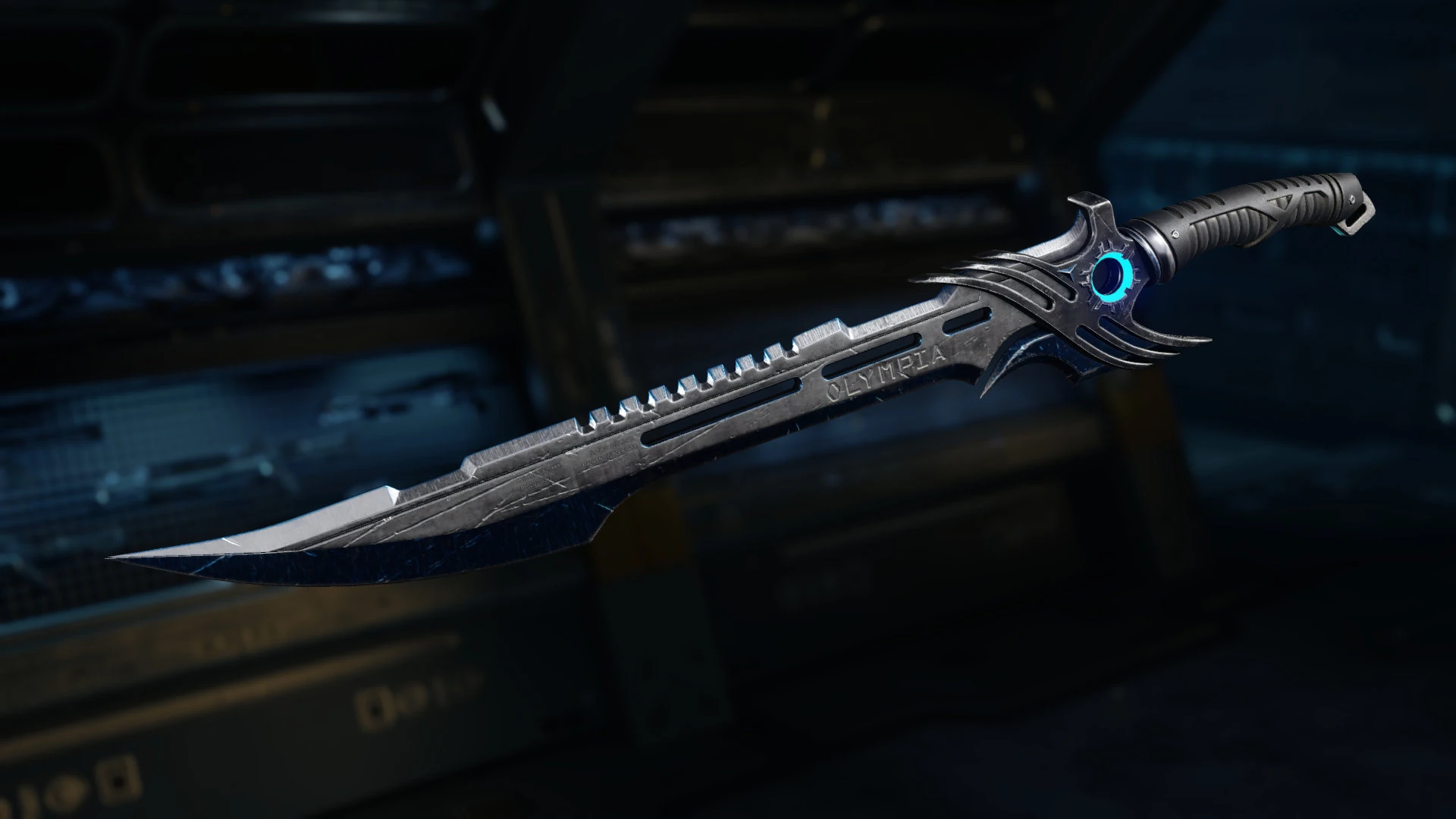
Every match, contract, and daily challenge in Black Ops 3 pays out Cryptokeys. You spend those Cryptokeys at the Black Market on Supply Drops — loot boxes that spit out three items each. The default drop is a Common Supply Drop, but the one everybody actually wants is the Rare Supply Drop, which costs more keys and biases the loot pool toward the good stuff: the DLC melee weapons, the added guns from Awakening, Eclipse, Descent, and Salvation, animated calling cards, reactive camos, and player gestures.
The catch is that "biases toward" is not "guarantees." A Rare Supply Drop still hands you three items from an enormous pool, and the overwhelming majority of that pool is cosmetic filler — sprays, static calling cards, emblems, and XP-style vanity items you already own. The weapons you're chasing sit at the rare end of the table, which is exactly why people open hundreds of drops without seeing the gun they want.
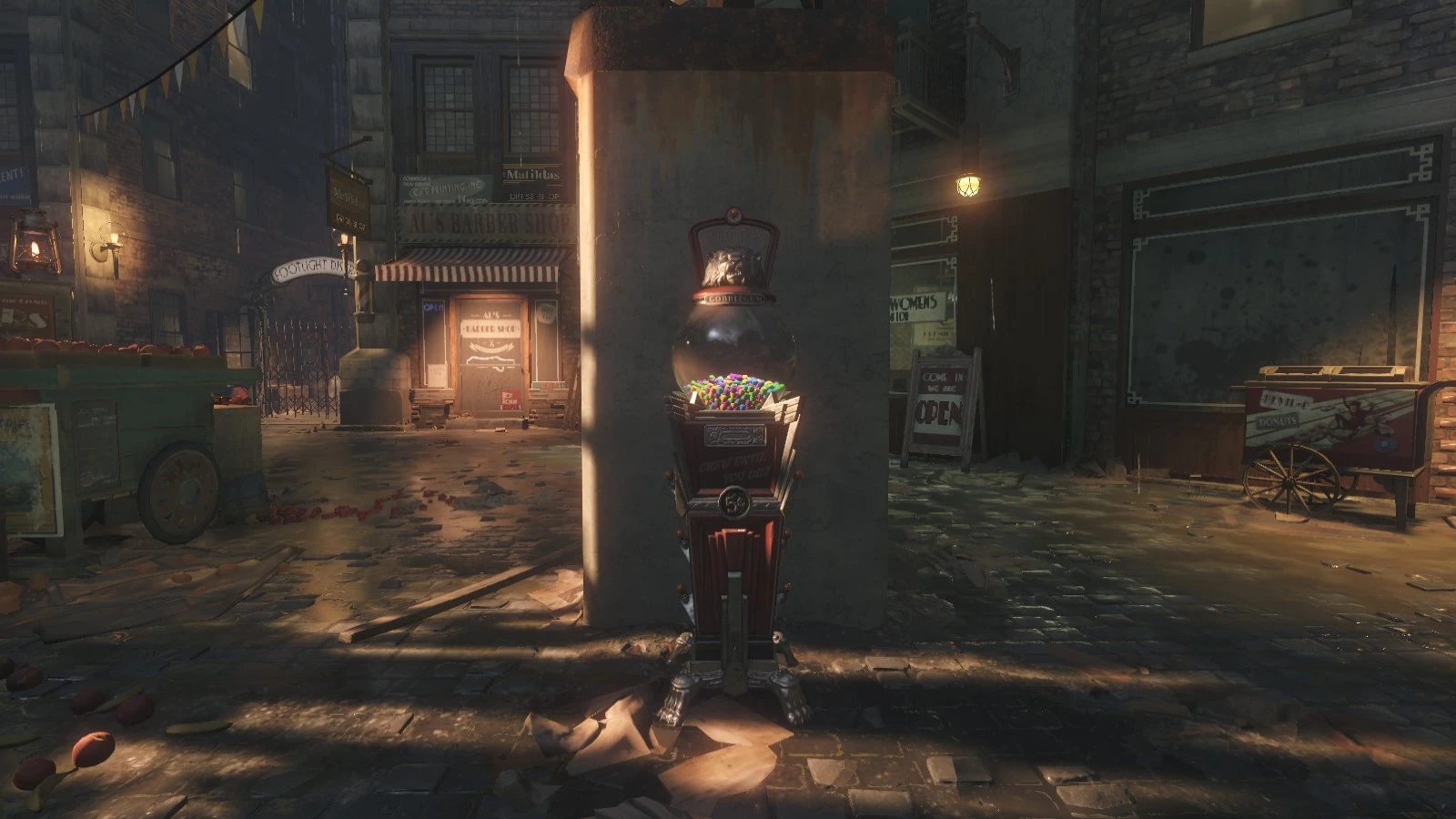
The real odds — and why they feel worse than they are
Treyarch never published exact per-item drop rates, so anyone quoting you a precise percentage is guessing. What we can say honestly, from how the system behaves across thousands of community openings, is this: each Rare Supply Drop guarantees at least one Rare-or-better item, but "Rare" is a rarity tier, not a promise of a weapon. A huge share of Rare-tier items are calling cards and gestures. Actual weapons — especially a specific DLC gun you want — are a small slice of the pool.
The math that makes it feel miserable is compounding duplicates. The more of the pool you already own, the higher the chance any given drop lands on something you've seen before. Early on, almost everything is new and openings feel great. A few hundred keys in, you're drowning in repeats and the pool of "things you don't have" has shrunk to the rarest weapons — the ones with the lowest individual odds. That's the wall most players hit.
How duplicate protection really behaves
Here's where expectations need a reality check. Black Ops 3 does have a form of duplicate softening, but it is not the clean "you can never get a repeat" bad-luck protection that newer games advertise. When you receive a duplicate, the game softens the blow somewhat rather than handing you nothing at all — so a dupe isn't a total waste, it just isn't the item you wanted. What the system does not reliably do is stop feeding you cosmetic repeats while a handful of weapons stay locked.
The practical upshot: duplicate protection cushions the grind, it doesn't end it. You will still open drop after drop of cards and camos you own while the last two or three DLC guns refuse to appear. If your goal is "every weapon unlocked," raw luck can leave you thousands of keys deep, which is why targeted approaches matter.
Bribes — the closest thing to a guarantee
The Black Market's answer to weapon-hunting misery is the Bribe. A Bribe pulls exclusively from a defined set — a weapon Bribe, for example, guarantees you a weapon from that set that you don't already own, instead of rolling the entire cosmetic-heavy pool. That single design choice makes Bribes dramatically more efficient per Cryptokey than praying on Rare Supply Drops when the thing you're missing is a gun.
If you're specifically after the DLC weapons and you still have gaps, spending on Bribes is almost always the smarter play than buying more Rare drops. It's the difference between rolling for a weapon out of hundreds of items versus rolling for a weapon out of a couple dozen weapons. Understanding this distinction is half the battle when you plan a purchase.
The 110x / 120x / 300x buying tiers explained
When you buy a BO3 supply drop service, the offering is usually structured around three volume tiers — 110x, 120x, and 300x drops opened on your own account by a real player. The tier you pick should map to your goal, not just your budget. A smaller bundle is enough to fill in gestures and a chunk of weapons; the largest tier is aimed at people who want the Black Market effectively cleared. Below is a plain-language guide to what each tier is realistically for.
| Tier | Best for | Realistic outcome |
|---|---|---|
| 110x | Filling gaps — a handful of missing DLC weapons, gestures, and camos | Solid dent in the collection; not a full clear |
| 120x | Players slightly further from done who want more weapon coverage in one go | Most gestures and a large share of weapons |
| 300x | Completionists chasing a near-total Black Market unlock | The bulk of weapons, gestures, and rare cosmetics unlocked |
Because duplicate luck varies from account to account, no honest seller can promise "300x = 100% of everything." What the larger tier buys you is volume plus, where offered, Bribe-weighted openings that prioritize weapons over filler. For exact current pricing on each tier and on standalone Cryptokey and Bribe packages, see /call-of-duty/bo3, since drop prices shift with queue and market conditions.
Cryptokeys vs. drops vs. Bribes — how to spend
Think of your purchase in three layers, and match the layer to what you're missing:
- Cryptokeys — the raw currency. Buy these if you'd rather control your own openings and decide between Rare drops and Bribes yourself.
- Rare Supply Drops (110x/120x/300x) — bulk openings. Best when you're early and most of the pool is still new to you, so nearly every drop lands something you don't own.
- Bribes — targeted weapon pulls. Best when you're late in the grind and only a few DLC guns remain, because they skip the cosmetic pool.
A common mistake is dumping everything into Rare drops at the end of the grind, when duplicate density is highest. If you're 90% done, Bribes will finish the weapons far faster than another 300 rolls of the full pool. Spend where the odds are actually in your favor.
Grind it yourself or have it hand-done
You can absolutely earn every Cryptokey in-game. It's slow but genuinely doable — matches, contracts, and dailies all pay out, and a patient player will clear the Black Market over many weeks. If that's your plan, pair supply-drop hunting with the rest of your unlock roadmap; our BO3 unlock-all guide lays out the full picture of what's gated behind what.
If you'd rather skip the slot-machine hours, a hand-done boost is the safe route. A real player logs into your own account and does the openings manually — no injected code, no save edits, nothing that trips Activision's anti-cheat. That's a meaningful distinction from the $4–15 "modded account" listings floating around eBay and forums, which come with real ban and scam risk. We break down exactly why those accounts are dangerous in our modded accounts guide. Hand-done work is honest and much lower-risk — no seller can call any Activision service blanket "100% safe," but manual progression on your own account is as clean as it gets.
One more planning tip: Supply Drops are a multiplayer economy, but they're not the only currency you're juggling in BO3. If you also play Zombies, the GobbleGum economy runs on a completely separate resource — worth reading up on in our Liquid Divinium guide so you don't confuse the two systems when you're deciding where to spend money.
Frequently Asked Questions
Do Rare Supply Drops guarantee a weapon?
No. A Rare Supply Drop guarantees at least one Rare-tier item, but the Rare tier includes calling cards, gestures, and camos as well as weapons. If you specifically want a gun, a Bribe — which pulls only from a weapon set you don't already own — is far more reliable than rolling Rare drops.
Does BO3 have real duplicate protection?
Partially. Repeats are softened somewhat rather than being a dead end, so a repeat isn't a total loss. But the system does not stop feeding you cosmetic duplicates while rare weapons stay locked, so late-grind openings can still feel miserable. It softens the grind; it doesn't end it.
Which buying tier should I pick?
Match it to how far you are. 110x is for filling a handful of gaps, 120x for players with more missing weapons, and 300x for near-total Black Market completion. None can honestly promise literally everything because duplicate luck varies, but larger tiers add volume and, where offered, weapon-weighted Bribe openings. See /call-of-duty/bo3 for current pricing.
Is buying supply drops safe for my account?
A hand-done boost — a real player opening drops manually on your own account with no injected code or save edits — is the low-risk option and avoids the ban-prone modded accounts sold cheaply on eBay and forums. No Activision service can be called blanket 100% safe, but manual progression on your own account is the cleanest approach available.