BO3 modded calling cards are one of the most misunderstood cosmetics in Black Ops 3. Players see an opponent load into a lobby with a glowing, animated card that shimmers behind their name, and the first assumption is always the same: "That has to be hacked in." Most of the time it isn't. Black Ops 3 shipped with an enormous library of calling cards — static, rare, and fully animated — and the flashiest ones are simply locked behind Black Market luck, obscure challenges, or content that never got a normal unlock path at all. This guide breaks down how each type actually works, why the animated ones feel unreachable, and where a safe hand-done boost fits in when the RNG stops cooperating.
What a Calling Card Actually Is in Black Ops 3
A calling card is the banner that sits behind your name on the scoreboard, in the after-action report, and on your player card. BO3 splits them into two visual tiers. The standard cards are flat images. The premium tier — the ones people care about — are animated calling cards that loop a short motion effect: liquid metal, drifting particles, flickering neon, or a Zombies-themed scene that shifts as you watch it. Backgrounds pair with card icons and emblems, so a fully kitted player card is really three cosmetics stacked together.
The reason "modded" gets attached to these is that the rarest ones almost never show up through normal play. When 95% of the lobby has the same handful of challenge-earned cards and one person is running an animated card nobody recognizes, it reads as unusual. In reality the split is between cards you grind for, cards you gamble for in the Black Market, and cards that were essentially never distributed to the public.
Rare Calling Cards: The Black Market Gamble
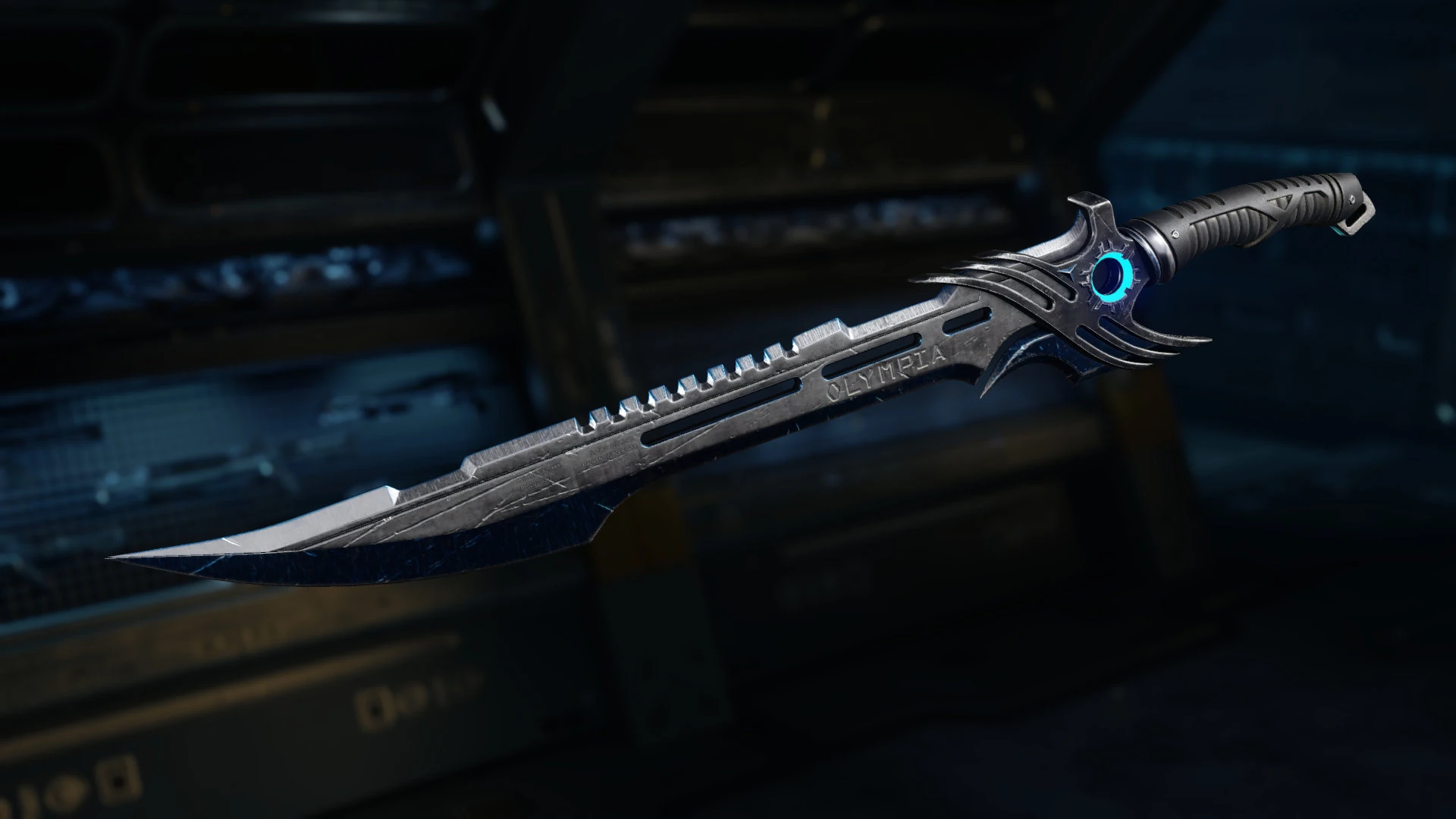
The bulk of BO3's collectible calling cards live in the Black Market. You earn Cryptokeys by playing matches and completing contracts, then spend them on Rare Supply Drops. Each drop can contain weapons, gestures, camos, emblems, or calling cards — and the card pool is deep. Many of the "rare" cards you see are just uncommon pulls that a given player happened to hit early.
The catch is the pull rate. Calling cards share the drop pool with everything else, and the pool grows every time DLC adds new items. That means the specific animated card you want is competing against hundreds of other possible outcomes. A player can open dozens of Rare Supply Drops and never see the one they're chasing, because the system doesn't guarantee you anything specific — only that you'll get something. Full Black Market completion runs into the hundreds of drops, which is why so many players stall out with a half-finished collection.
If you're already deep in the Black Market economy, our BO3 supply drop and camo grind guide covers how the Cryptokey math actually shakes out over a realistic number of matches.
Animated Calling Cards and Why They Feel Impossible
Animated cards are the trophy tier. Some are tied to specific challenges — reaching a prestige milestone, hitting a weapon mastery threshold, or completing a Zombies easter egg. Those have a defined path, even if it's a long one. The frustrating group is the animated cards that only exist in the Black Market pool, because you can't target them. There's no challenge to complete, no vendor to buy from directly — just the same supply-drop lottery with worse odds because the animated tier is rarer than the flat cards.
This is the honest reason people search for a shortcut. A player who wants one particular animated background can spend weeks grinding Cryptokeys and open drop after drop without it ever appearing. The animation itself isn't rare code — the game already has it — the barrier is purely the distribution system Activision built around it.
Unreleased and Developer Calling Cards
Then there's the genuinely unusual category: unreleased calling cards and camos. Black Ops 3's files contain cosmetics that were never given a public unlock path — beta leftovers, developer test cards, and camos that were finished but never wired into a challenge or the Black Market. These are the cards that legitimately cannot be earned by any normal player, no matter how long they grind, because there is no in-game trigger that grants them.
This is where the terminology gets muddy. When someone shows off an unreleased developer camo, calling it a "modded" card is closer to accurate — it was never meant to be publicly unlockable. But there's a big difference between a card that's simply rare and one that has no unlock path at all, and understanding which bucket you're looking at matters a lot when you decide how to get it.
Calling Card Types and How Each One Is Obtained
Here's the clean breakdown of the three tiers, what makes each one hard, and the realistic way to obtain it.
| Card Type | How It's Obtained | Main Barrier |
|---|---|---|
| Challenge-earned (static) | Complete a specific challenge — prestige level, weapon mastery, or match milestone | Time; the path is clear but long |
| Rare (Black Market) | Spend Cryptokeys on Rare Supply Drops; card drops randomly | RNG — no way to target a specific card |
| Animated (challenge) | Prestige milestones, Zombies easter eggs, or mastery thresholds | Long grind, but achievable |
| Animated (Black Market) | Random supply-drop pull from the rarer animated tier | Worst odds; can go hundreds of drops without it |
| Unreleased / developer | No in-game unlock path exists | Cannot be earned through normal play at all |
Are "Modded" Cards Safe? The Ban Reality
This is where honesty matters more than hype. Activision actively bans modded accounts and save edits. If you buy a random $4-$15 modded account off eBay or a forum with cards injected through edited saves, you're taking two risks: the account can get banned, and the seller can reclaim it. Those cheap listings are the single biggest source of both scams and bans in the BO3 cosmetics scene, and no honest guide should tell you they're "100% safe."
The distinction that actually protects you is hand-done versus injected. Hand-done means a real player logs into your own account and does the legitimate progression — playing matches, earning Cryptokeys, opening supply drops, completing the challenges that grant challenge-locked cards. Nothing is injected. For anything unlockable through play, that's simply a faster version of what you'd do yourself, on the account you already own. It's the same reasoning we walk through in our BO3 modded accounts guide, which explains why a cheap pre-modded account is usually the worst option on the table.
For unreleased developer cards with no unlock path, be realistic: there is no fully clean route, because the game never intended those to be earned. A trustworthy service will tell you that plainly rather than pretend otherwise. Most players are actually after the rare and animated cards that do have a path — those are the ones a hand-done boost handles cleanly.
The Hand-Done Route: What It Looks Like
If you want a specific animated card or a filled-out Black Market collection without spending months, a hand-done boost does the grind on your account manually. That means real matches, real Cryptokey earning, and real supply-drop openings — plus completing the challenge-locked cards directly. Because nothing is injected, your account isn't carrying edited-save flags that trigger bans.
Calling cards usually come bundled with broader Black Market and unlock work rather than sold one at a time, since they share the same economy as camos, gestures, and emblems. If your real goal is a maxed-out player card, it often makes sense to pair the calling-card work with a wider unlock package — our BO3 unlock-all overview lays out how the full cosmetic picture fits together. You can browse current calling-card and Black Market service pricing on the BO3 services page, where everything is quoted per real service rather than as a vague "everything unlocked" promise.
What It Costs and How Long It Takes
BO3 services span a wide range — roughly $15 to $220 depending on scope — because a single calling card is a very different job from a full Black Market clear. Cryptokey farming and supply-drop openings are sold in tiers rather than per-card, since the whole point is bulk progression through the drop economy. Because the rare and animated cards depend on the same RNG you'd face yourself, delivery time varies with how deep the collection goes and the current queue. Any service that promises a specific animated card by a hard deadline is overselling — the drops are still random, the work is just being done faster and correctly on your account. For exact current numbers on calling-card and Black Market work, check the pricing listed at /call-of-duty/bo3 rather than relying on a figure that may have shifted.
Frequently Asked Questions
Can you get any BO3 calling card for free through normal play?
Most of them, yes. Challenge-locked and animated challenge cards are earned by playing, and rare Black Market cards drop from Rare Supply Drops bought with Cryptokeys. The exception is unreleased developer cards, which have no in-game unlock path and can't be earned no matter how long you grind.
Will using modded calling cards get my account banned?
Injected cards from edited saves carry real ban risk, and cheap pre-modded accounts are the most common source of bans and scams. Hand-done work on your own account — playing matches and opening supply drops legitimately — doesn't inject anything, which is why it's the safer route for cards that have a real unlock path.
Why can't I just buy the exact animated card I want?
Because Black Market animated cards drop randomly from the shared supply-drop pool — there's no way to target a specific one. A boost speeds up the Cryptokey grind and drop openings, but the individual pull is still RNG, so no honest service can guarantee one specific card by a set date.
How much does a calling card boost cost?
BO3 services generally run from $15 to $220 depending on scope, and calling cards are usually bundled with wider Black Market and unlock work since they share the same economy. Check /call-of-duty/bo3 for current per-service pricing rather than relying on a fixed number.
The short version: most "modded" calling cards in BO3 aren't hacked in — they're rare Black Market pulls, long challenge unlocks, or animated cards buried behind terrible odds. Understanding which tier your target card sits in tells you whether it's a grind, a gamble, or genuinely unreleased. For everything with a real unlock path, a hand-done boost on your own account is the safe way to skip the RNG without inviting a ban.